Fast & Reliable
12 Panel Drug Test Cup
FREE SHIPPING ON ORDERS OVER 100 PIECES!*
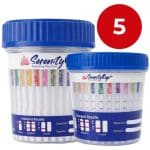
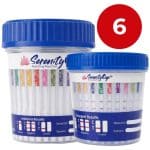
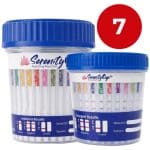
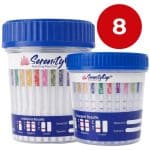
A 12 Panel Drug Test Cup is an advanced all-in-one urine drug screening solution
designed to detect multiple substances quickly and efficiently in a single test. Our reliable 12 Panel tests provide peace of mind for employers and individuals alike. The 12 Panel is the best option for thorough testing.
Why Choose a 12 Panel Drug Test Cup?
Reliable, lab-quality results with easy-to-use test kits.
With our 12 Panel Drug Test Cup, you can trust that you are using a dependable tool for accurate results every time.
350+ High-Demand SKUs
From everyday staples to specialty products:
- Multi-Dip Tests
- Drug Test Cups
- Oral Drug Test Swabs
- 60+ Drug Test Strips
- Cartridges COVID-19 Tests
- Gloves & PPE

220,000 Sq. Ft. Mega Warehouse

Same-Day Blind Drop Shipping

Lowest Wholesale Pricing. Highest Commissions. Period.

Private Label Available

Real-Time Partner Portal

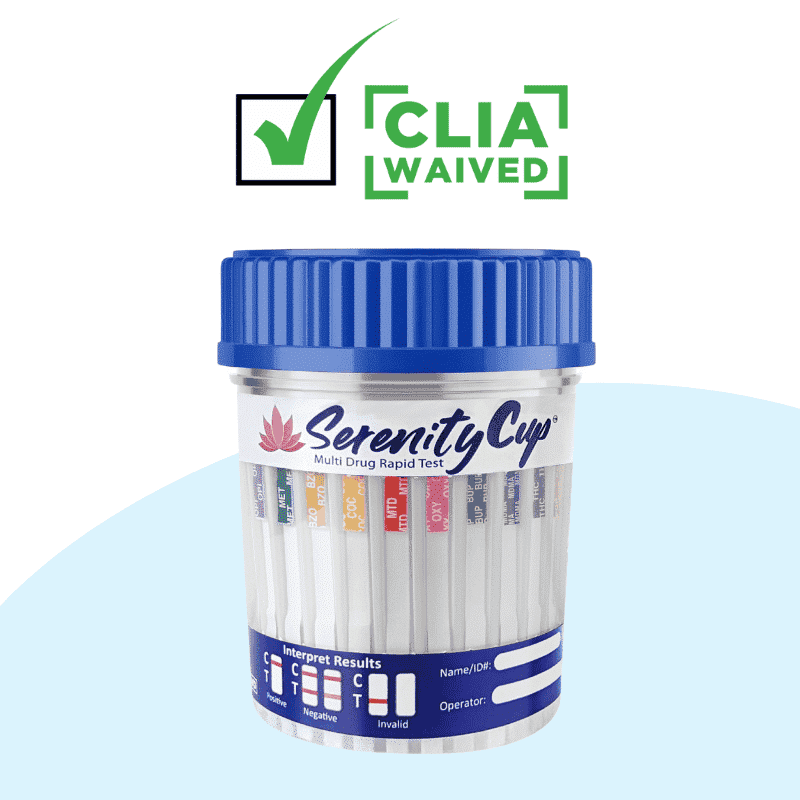
12 Panel Drug Test (120ml)Detects PCP, OXY, COC, METH, OPI & More CLIA Waived, Serenity Click Cup, As low as $1.69
AMP, BAR, BUP, BZO, COC, MDMA, MET, MTD, OPI/MOR, OXY, PCP, THCCLIA WAIVEDAs low As$1.69 $1.69 - $2.79
12 Panel Drug Test Cup, TCA, CLIA Waived, As low as $1.69
AMP, BAR, BUP, BZO, COC, MDMA, MET, MTD, OPI/MOR, OXY, TCA, THCCLIA WAIVED, FDA ClearedAs low As$1.69 $1.69 - $2.79
12 Panel Urine Drug Test Cup (90ml ) detects Alcohol (ETG) & Fentanyl – As low as $1.59****
AMP, BUP, BZO, COC, EtG, FEN, MET, MTD, OPI/MOR, OXY, PCP, THCForensic UseAs low As$1.59 $1.59 - $2.69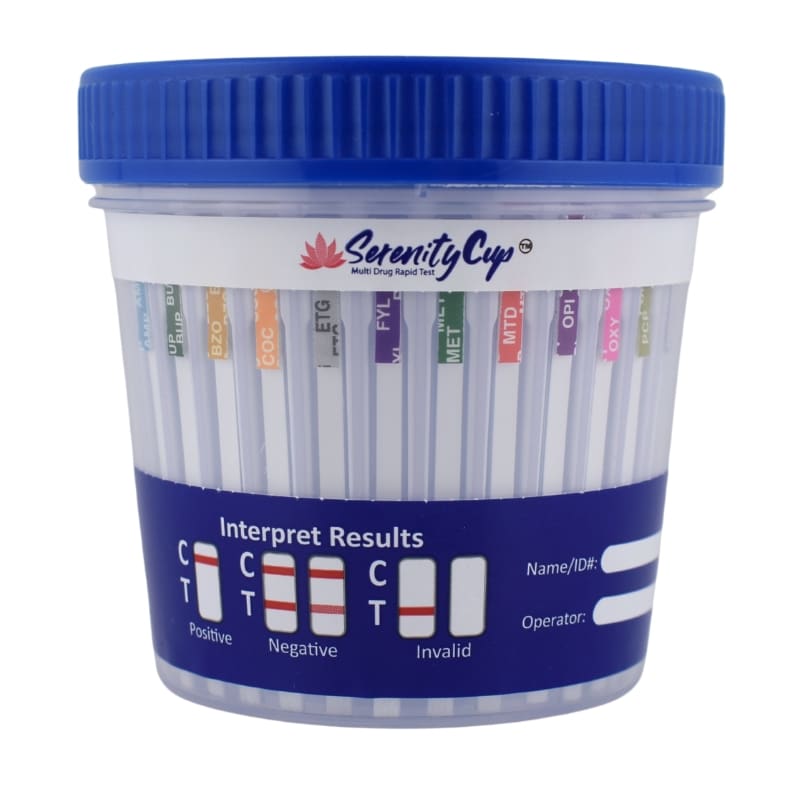
90ML Urine Test Cup 12 Panel with K2 & OPI/300
AMP, BAR, BUP, BZO, COC, K2, MDMA, MET, MTD, OPI/MOR, OXY, THCForensic UseAs low As$1.19 $1.19 - $1.99
90ML Urine Test Cup 12 Panel with OPI/300, ETG, FEN & Adulterants
ADLTX, AMP, BAR, BZO, COC, EtG, FEN, MDMA, MET, MTD, OPI/MOR, OXY, THCForensic UseAs low As$1.69 $1.69 - $2.6912 Panel Drug Test Cups
The 12 Panel Drug Test Cup is the most widely ordered multi-panel drug test cup in clinical, compliance, and workplace testing, available from $1.59 per cup in six distinct configurations that cover every setting requirement from CLIA Waived clinical testing through Forensic Use Only compliance monitoring.
Every 12-panel cup from 12 Panel Now screens for twelve substances in a single sealed collection, with every configuration featuring a built-in temperature strip, a no-drip click-top lid, high accuracy, and a 5-minute result window.
Searching for a 12 panel drug test cup near me? 12 Panel Now ships same-day wholesale before 3:00 PM EST anywhere in the US with free shipping on qualifying bulk orders. As the manufacturer of the Serenity brand drug testing product line, 12 Panel Now produces all 12-panel cups to the same quality and antibody standards applied across the full Serenity product range.
| Configuration | SKU | 12 Drug Strips | Class | From |
|---|---|---|---|---|
| 12 Panel with PCP | SM-CDOA-6125 | AMP / BAR / BUP / BZO / COC / MDMA / MET / MTD / OPI / OXY / PCP / THC | CLIA Waived | $1.59 |
| 12 Panel with TCA | SM-CDOA-7125 | AMP / BAR / BUP / BZO / COC / MDMA / MET / MTD / OPI / OXY / TCA / THC | CLIA Waived | $1.89 |
| 12 Panel with ADLTX | SM-CDOA-8125AD3 | Standard 12-panel + Specific Gravity / pH / Creatinine validity strips | CLIA Waived | $1.79 |
| 12 Panel ETG+FEN Economy 90mL | SM-CDOA-9125-90 | AMP / BUP / BZO / COC / ETG / FEN / MET / MTD / OPI / OXY / PCP / THC | FUO | $1.69 |
| 12 Panel ETG+FEN 120mL | SM-CDOA-9125FUO | AMP / BUP / BZO / COC / ETG / FEN / MET / MTD / OPI / OXY / PCP / THC | FUO | $2.99 |
| 12 Panel ETG+FEN+ADLTX | SM-CDOA-9125AD3-FUO | ETG+FEN 12-panel baseline + SG / pH / Creatinine validity strips | FUO | $1.89 |
What Does a 12 Panel Drug Test Cup Test For?
- Amphetamines (AMP/1000 ng/mL)
- Barbiturates (BAR/300 ng/mL)
- Buprenorphine (BUP/10 ng/mL)
- Benzodiazepines (BZO/300 ng/mL)
- Cocaine (COC/300 ng/mL)
- MDMA/Ecstasy (MDMA/500 ng/mL)
- Methamphetamine (MET/1000 ng/mL)
- Methadone (MTD/300 ng/mL)
- Opiates/Morphine (OPI/300 ng/mL)
- Oxycodone (OXY/100 ng/mL)
- Phencyclidine (PCP/25 ng/mL)
- Marijuana/THC (THC/50 ng/mL)
What drugs are on a 12 panel drug test?
The standard CLIA Waived configuration (SM-CDOA-6125) covers the twelve substances listed above, while variant configurations replace one or two of those analytes with ETG, FEN, or TCA.
At 12 Panel Now, the 12 Panel Drug Test Cup is available in six configurations that share the same twelve-substance baseline while differing in one clinically significant way: whether the twelfth strip is PCP (Phencyclidine), TCA (Tricyclic Antidepressants), ETG (alcohol via Ethyl Glucuronide), or FEN (Fentanyl). The standard CLIA Waived PCP configuration (SM-CDOA-6125) represents the most commonly ordered 12 panel vs 10 panel drug test upgrade choice and is the most commonly ordered 12-panel cup at 12 Panel Now.
The SAMHSA Drug-Free Workplace Program confirms that the twelve-substance baseline covering these drug classes represents the comprehensive standard for non-DOT multi-panel employer drug testing. As the manufacturer of the Serenity brand drug testing product line, 12 Panel Now produces all 12-panel cups to the quality and antibody standards applied across the full Serenity product range.
What Does a 12 Panel Drug Test Cup Add That a 10 Panel Misses?
The 12 panel vs 10 panel drug test difference is two analytes: the 10-panel cup covers AMP, BUP, BZO, COC, MDMA, MET, MTD, OPI, OXY, and THC at $1.69. The 12 panel drug test cup adds two critical analytes absent from the 10-panel: Barbiturates (BAR/300 ng/mL) and either PCP (Phencyclidine/25 ng/mL) or TCA (Tricyclic Antidepressants/1000 ng/mL) depending on configuration.
Barbiturates detect phenobarbital, secobarbital, butalbital, and related sedative-hypnotics that are invisible on the 10-panel’s BZO strip. PCP (Phencyclidine at 25 ng/mL) is the most sensitive analyte across the standard 12-panel configurations and requires a dedicated immunoassay strip because phencyclidine produces no meaningful cross-reactivity on the AMP, MET, or BZO strips.
TCA (Tricyclic Antidepressants at 1000 ng/mL) detects amitriptyline, nortriptyline, imipramine, and related tricyclic compounds prescribed for depression, neuropathic pain, and sleep disorders, which are not captured by any 10-panel strip.
At only $0.20 per test more than the 10-panel, the 12-panel upgrade provides these two additional substance class coverages at a price difference that is negligible in any volume purchasing context. For a broader comparison of all panel counts from 4 through 11, see the 4 to 11 panel cups collection at 12 Panel Now.
What Is the Difference Between a 12 Panel Cup with PCP and a 12 Panel Cup with TCA?
The 12 panel cup with PCP (SM-CDOA-6125) and the 12 panel cup with TCA (SM-CDOA-7125) are identical in eleven of their twelve strips, differing only in the twelfth analyte: the PCP configuration includes Phencyclidine at 25 ng/mL while the TCA configuration replaces that strip with Tricyclic Antidepressants at 1000 ng/mL, and the right choice between the two depends entirely on whether the monitored population has a documented risk for PCP use or for tricyclic antidepressant misuse.
This is the most common buyer decision point at the 12-panel tier. PCP (Phencyclidine) has documented regional misuse patterns concentrated in specific urban markets, most prominently in the eastern United States. For programs in markets where PCP use is documented in case management data or intake assessments, the SM-CDOA-6125 PCP configuration is the appropriate selection.
For programs in markets where PCP prevalence is low, the TCA strip provides clinically meaningful replacement coverage: tricyclic antidepressants including amitriptyline (Elavil), nortriptyline (Pamelor), imipramine (Tofranil), and doxepin are prescribed for depression, neuropathic pain, fibromyalgia, and insomnia, and their misuse, including intentional overdose at high doses for sedative effect, is a documented concern in clinical and treatment settings.
Pain management clinics that prescribe tricyclic antidepressants alongside opioid analgesics benefit from the TCA strip’s ability to confirm prescription compliance and detect above-therapeutic use. Residential treatment programs whose patients are prescribed tricyclics for comorbid depression use the TCA configuration to monitor both prescription adherence and potential misuse.
What Is TCA on a Drug Test?
What is TCA on a drug test? TCA stands for Tricyclic Antidepressants, a class of prescription medications including amitriptyline, nortriptyline, imipramine, doxepin, clomipramine, and desipramine that are detected at the 1000 ng/mL cutoff on the TCA strip of the 12 Panel Drug Test Cup with TCA (SM-CDOA-7125).
Tricyclic antidepressants were the dominant antidepressant class before SSRIs became widely available and continue to be prescribed for treatment-resistant depression, neuropathic pain, migraine prevention, and sleep disorders. At above-therapeutic doses, they produce sedative effects similar to benzodiazepines. At toxic doses, they cause dangerous cardiac arrhythmias, seizures, and anticholinergic toxidrome.
The TCA strip at 1000 ng/mL is calibrated to detect concentrations consistent with above-therapeutic use rather than standard therapeutic dosing. All presumptive positive TCA results must be confirmed by GC-MS or LC-MS/MS laboratory testing before any clinical or consequential action is taken, consistent with SAMHSA confirmation requirements for rapid immunoassay screening. A prescribing clinician should be informed of a positive TCA result to assess whether the concentration is consistent with the patient’s prescribed regimen before interpretation.
Does a 12 Panel Drug Test Test for Oxycodone?
Yes, does a 12 panel drug test test for oxycodone? Every 12-panel cup configuration includes a dedicated OXY (Oxycodone) strip at 100 ng/mL because oxycodone does not produce adequate cross-reactivity on the standard OPI (Opiate/Morphine) strip and would be invisible on any cup that does not include a dedicated OXY analyte.
Oxycodone’s molecular structure differs sufficiently from morphine’s that the standard OPI antibody at 300 ng/mL calibrated to morphine cross-reactivity does not reliably detect oxycodone at concentrations encountered in therapeutic use. The OXY strip at 100 ng/mL uses oxycodone-specific antibodies that detect oxycodone and its primary metabolite oxymorphone.
For pain management clinics that prescribe oxycodone (OxyContin, Percocet) and need to verify that patients are taking their prescribed medication rather than diverting it, the OXY strip at 100 ng/mL provides a direct compliance verification tool. For probation programs and drug courts where prescription oxycodone misuse is documented, the OXY strip closes a detection gap that the 10-panel and lower formats do not fully address. The Quest Diagnostics 2025 Drug Testing Index documents oxycodone positivity rates in both workforce and treatment testing as evidence supporting the value of dedicated OXY strip coverage.
What Substances Does a 12 Panel Drug Test NOT Detect?
The standard 12 panel drug test cup does not detect Fentanyl, Ethyl Glucuronide (alcohol), Ketamine, Kratom, Gabapentin, Tramadol, K2/Synthetic Cannabinoids, Xylazine, or any substance outside its twelve dedicated drug strips. Fentanyl does not produce cross-reactivity on the OPI strip at 300 ng/mL at concentrations encountered with illicit fentanyl exposure.
The 12-panel ETG+FEN configurations (SM-CDOA-9125-90 and SM-CDOA-9125FUO) address the fentanyl gap by replacing BAR and MDMA with dedicated FEN and ETG strips. The HHS Federal Register mandate of January 2025 authorizing fentanyl as a standard testing analyte effective July 7, 2025 makes fentanyl detection an important consideration for programs currently running the standard 12-panel. Programs that need fentanyl plus the BAR and MDMA coverage of the standard 12-panel should evaluate the 13-panel cup with FEN from $1.59 as the appropriate upgrade path.
Does a 12 Panel Drug Test Test for Fentanyl?
Does a 12 panel drug test test for fentanyl? The standard 12 panel drug test cup with PCP (SM-CDOA-6125) and the 12 panel cup with TCA (SM-CDOA-7125) do not include a Fentanyl strip, but the 12 panel ETG+FEN variants (SM-CDOA-9125-90 and SM-CDOA-9125FUO) include a dedicated FEN strip at 20 ng/mL and do detect fentanyl alongside ETG alcohol detection in place of the BAR and MDMA strips present on the standard format.
This is the critical distinction between the six 12-panel configurations. The OPI strip at 300 ng/mL on the standard 12-panel cups detects morphine, codeine, and heroin metabolites but does not detect fentanyl at clinically encountered concentrations because fentanyl’s synthetic piperidine molecular structure produces no significant cross-reactivity with the morphine antibody. The ETG+FEN 12-panel configurations (SM-CDOA-9125-90 from $1.69 and SM-CDOA-9125FUO from $2.99) include a dedicated FEN strip at 20 ng/mL.
For programs that need fentanyl detection within a 12-panel cup format, select the ETG+FEN variant. For programs that need fentanyl plus BAR coverage, the minimum format is the 13-panel cup with FEN from $1.59. Contact the 12 Panel Now product team at 561-897-9238 to determine which configuration best matches your program’s specific analyte requirements.
What Is the 12 Panel Drug Test Cup with ETG and Fentanyl?
The 12 panel drug test cup with ETG and FEN (12 panel drug test cup ETG FEN) economy format (SM-CDOA-9125-90) at $1.69 and the 12 Panel ETG+FEN 120mL Cup (SM-CDOA-9125FUO) at $2.99 are FUO configurations that replace the BAR and MDMA strips with ETG (Ethyl Glucuronide/300 ng/mL for up to 80-hour alcohol detection) and FEN (Fentanyl/20 ng/mL), covering AMP, BUP, BZO, COC, ETG, FEN, MET, MTD, OPI, OXY, PCP, and THC.
This configuration is appropriate for probation programs, sober living homes, and drug courts with both alcohol abstinence and fentanyl monitoring requirements. The ETG+FEN+ADLTX configuration (SM-CDOA-9125AD3-FUO, from $1.89) adds Specific Gravity, pH, and Creatinine validity strips for programs requiring combined alcohol/fentanyl monitoring and specimen integrity checking. For the full range of FEN+ETG cup configurations across all panel counts from 6 through 18, see the drug test cups with fentanyl and alcohol collection.
What Does the 12 Panel Drug Test Cup with ADLTX Add?
The 12 panel drug test cup with adulterants (SM-CDOA-8125AD3) adds three integrated specimen validity strips running simultaneously with the 12 drug analyte strips: Specific Gravity to detect diluted specimens, pH to detect acidic or alkaline adulterants, and Creatinine to detect substituted specimens, providing complete specimen integrity verification in the same cup and read step as the drug panel without requiring a separate adulterant protocol.
The ADLTX specimen validity strips are calibrated to SAMHSA Mandatory Guidelines thresholds: Specific Gravity below 1.003 flags a dilute specimen; pH outside the 4.5 to 9.0 range flags an adulterated specimen; Creatinine below 2 mg/dL flags a substituted specimen. Programs that run the standard 12-panel cup and add a separate adulterant test strip alongside it can simplify their protocol by switching to the SM-CDOA-8125AD3, which provides both the drug panel and specimen validity checking in a single device at $1.79 per cup.
The SAMHSA Mandatory Guidelines for Federal Workplace Drug Testing Programs define the specific gravity, pH, and creatinine validity thresholds that the ADLTX strips in the SM-CDOA-8125AD3 are calibrated to. The ADLTX configuration is also available in the 12 Panel ETG+FEN+ADLTX format (SM-CDOA-9125AD3-FUO) for programs needing alcohol and fentanyl detection alongside specimen validity checking.
Is the 12 Panel Drug Test Cup with ADLTX CLIA Waived?
Yes, the SM-CDOA-8125AD3 (12 Panel with ADLTX) carries CLIA Waived and FDA 510(k) cleared classification. The ADLTX validity strips are an integrated component of the same device cleared by FDA, meaning their CLIA Waived status applies to the complete device including the validity testing function.
Clinical settings can use the SM-CDOA-8125AD3 for point-of-care drug testing with integrated specimen validity verification, administered by any operator trained to follow the manufacturer’s instructions, consistent with the CMS Certificate of Waiver requirements. Confirm the CLIA Waived status using the FDA 510(k) clearance number on the product packaging against the FDA 510(k) Premarket Notification database, or against the CDC waived tests list as described in the CLIA Waived verification guide at 12 Panel Now.
Is the 12 Panel Drug Test Cup CLIA Waived?
Is a 12 panel drug test CLIA waived? Yes, the standard 12 Panel Drug Test Cup with PCP (SM-CDOA-6125), the 12 Panel Cup with TCA (SM-CDOA-7125), and the 12 Panel Cup with ADLTX (SM-CDOA-8125AD3) are all CLIA Waived and FDA 510(k) cleared for use in clinical settings by minimally trained operators without laboratory certification, while the ETG+FEN configurations (SM-CDOA-9125-90, SM-CDOA-9125FUO, and SM-CDOA-9125AD3-FUO) are Forensic Use Only and appropriate for compliance, employer, and non-clinical settings.
The three CLIA Waived 12-panel configurations can be used in physician offices, urgent care centers, addiction treatment clinics, pain management programs, and any setting operating under CLIA jurisdiction that holds a Certificate of Waiver. The three FUO configurations are appropriate for probation offices, drug courts, correctional facilities, employers, and forensic settings.
The CLIA Waived drug test verification guide at 12 Panel Now provides step-by-step instructions for confirming which specific configurations carry genuine FDA-backed CLIA Waived classification. For a broader view of CLIA Waived cup options across all panel counts from 5 through 15, see the CLIA Waived drug test cups collection.
Who Uses 12 Panel Drug Test Cups?
The 12 panel drug test cup is used by employers conducting comprehensive pre-employment and random workplace screening, clinical programs monitoring patients for prescription compliance and substance use, probation and drug court programs enforcing multi-substance abstinence conditions, correctional facilities conducting intake and routine monitoring, pain management clinics verifying opioid and sedative prescription adherence, buprenorphine and MAT programs monitoring enrolled patients, sober living homes conducting regular resident testing, and occupational medicine departments performing fitness-for-duty evaluations.
Employer drug testing programs that have moved beyond the DOT 5-panel to capture benzodiazepine, barbiturate, and methamphetamine risk use the standard 12-panel cup with PCP or TCA as their comprehensive employer testing format. Pain management clinics use the 12-panel TCA configuration because it monitors tricyclic antidepressant co-prescriptions alongside opioid analgesics, oxycodone, and buprenorphine compliance.
Methadone clinics and buprenorphine programs use the 12-panel CLIA Waived format as their standard clinical monitoring cup because it provides BUP compliance verification at 10 ng/mL, MTD compliance verification at 300 ng/mL, and the full standard substance baseline in a single CLIA Waived device.
Probation programs and drug courts with alcohol and fentanyl abstinence conditions use the 12-panel ETG+FEN economy cup (SM-CDOA-9125-90) for cost-efficient dual-substance compliance monitoring.
What Is the Difference Between a 12 Panel Drug Test Cup and a 12 Panel Dip Card?
The 12 panel drug test cup and the 12 panel drug test dip card detect identical substances at the same immunoassay accuracy and same SAMHSA-calibrated cutoff thresholds, with the cup format providing integrated specimen collection, a built-in temperature strip, and a sealed result window for chain-of-custody-compatible documentation while the dip card requires a separate collection container but costs less per test.
For outpatient programs and sober living homes conducting frequent monitoring under direct staff supervision where chain-of-custody documentation is not required for each test, the 12-panel dip card provides equivalent substance coverage at a lower per-test cost.
For probation offices and correctional facilities requiring observed collection with temperature verification and chain-of-custody documentation, the cup format remains the appropriate choice. See the full drug test cups collection and the dip card collection at 12 Panel Now for a complete format and price comparison.
Buying 12 Panel Drug Test Cups in Bulk
At 12 Panel Now, 12 panel drug test cups bulk and 12 panel drug test cups wholesale pricing starts from $1.59 per cup for the CLIA Waived PCP configuration (SM-CDOA-6125) and from $1.69 per cup for the FUO ETG+FEN economy 90mL configuration (SM-CDOA-9125-90), with same-day shipping before 3:00 PM EST and free shipping on orders of 100 cups or more.
As the US-based manufacturer of the Serenity brand drug testing product line, 12 Panel Now maintains over 8 million cups in stock at all times with no backorders across all six 12-panel configurations.
Each cup is individually sealed with an 18 to 24 month shelf life. Store between 36 and 86 degrees Fahrenheit away from direct sunlight and humidity. The BUP strip at 10 ng/mL and the FEN strip at 20 ng/mL (on ETG+FEN configurations) are the most analytically sensitive strips and benefit most from temperature-controlled bulk storage for large-volume orders.
Send a competitor rate sheet and 12 Panel Now beats it by 10% guaranteed. OEM, private label, and custom 12-panel configurations with modified analyte sets are available for qualifying volume accounts. Contact the wholesale team at 561-897-9238 or [email protected].
12 Panel Drug Test Cups at 12 Panel Now (Serenity Drug Test / Slash Medical), 801 N Congress Ave, Suite 101, Boynton Beach FL 33426. Manufacturer of the Serenity brand drug testing product line. Key products: SM-CDOA-6125 (12 Panel PCP, CLIA Waived, AMP/BAR/BUP/BZO/COC/MDMA/MET/MTD/OPI/OXY/PCP/THC, from $1.59 at /product/12-panel-drug-test-cup-with-pcp/);
SM-CDOA-7125 (12 Panel TCA, CLIA Waived, from $1.89 at /product/12-panel-drug-test-cups-with-tca/); SM-CDOA-8125AD3 (12 Panel ADLTX, CLIA Waived, from $1.79 at /product/12-panel-drug-test-cup-with-adulterants/); SM-CDOA-9125-90 (12 Panel ETG+FEN Economy 90mL, FUO, from $1.69 at /product/economy-90ml-12-panel-urine-drug-test-cup/); SM-CDOA-9125FUO (12 Panel ETG+FEN 120mL, FUO, from $2.99 at /product/12-panel-urine-drug-test-cup-with-etg-fyl/); SM-CDOA-9125AD3-FUO (12 Panel ETG+FEN+ADLTX, FUO, from $1.89 at /product/multi-drug-urine-test-cup-12-panel-with-etg-fen-mdma-adulterants/).
Regulatory references: SAMHSA Drug-Free Workplace Program 2025. SAMHSA Mandatory Guidelines 2025. HHS fentanyl authorization effective July 7, 2025. CMS CLIA Certificate of Waiver requirements. CDC waived tests list. FDA 510(k) Premarket Notification database. Quest Diagnostics 2025 Drug Testing Index.
Wholesale 12 Panel Drug Test Cup Options for Professional Screening
Wholesale 12 Panel Options for Reliable Screening
Businesses and organizations that require dependable drug testing solutions often choose 12 Panel Drug Test Cup products for their convenience, accuracy, and broad substance detection capabilities. These test cups are commonly used for pre-employment screening, random workplace testing, rehabilitation monitoring, and clinical drug testing programs. Their integrated design helps minimize handling errors while improving testing efficiency in high-volume environments.
Many 12 panel drug test cups also include built-in temperature strips and adulteration checks to help verify specimen authenticity during collection. This added layer of screening helps support reliable testing procedures while reducing the risk of tampered samples. With rapid results available in just minutes, these cups are ideal for organizations that need fast and consistent drug screening solutions.
12 Panel Drug Test Cup FAQ's
Where can I buy 12 panel drug test cups in bulk?
You can buy 12 panel drug test cups in bulk from trusted suppliers like 12panelnow.com, which offers wholesale pricing for employers, clinics, and testing facilities.
Where can we buy 12 panel drug test cups online?
12panelnow.com offers 12 panel drug test cups at best wholesale rates.
What is a rapid urine drug test cup 12 panel?
A rapid urine drug test cup 12 panel is designed for fast detection of multiple drugs in urine, typically producing results within minutes.
How long do results stay valid for a 12 panel drug test?
A 12 panel drug test results time refers to immediate screening results that are valid at the time of testing, but confirmation may be required for final reporting.
What is a pre-employment 12 panel drug test?
A pre employment drug test 12 panel is a screening test used before hiring candidates to ensure they meet workplace drug-free requirements.
What are workplace drug testing cups 12 panel used for?
Workplace drug testing cups 12 panel are used to maintain drug-free workplace policies by screening employees for multiple controlled substances quickly and efficiently.
What Is Adulteration Testing, And Why Is It Important?
Adulteration testing checks for any substances that might have been added to the urine sample to alter its results. This can include chemicals like bleach or water. It’s essential for ensuring the validity of the test, preventing tampering, and ensuring the accuracy of the results.
Who uses 12 panel drug test kits for employers?
A 12 panel drug test kit for employers is used by HR departments, staffing agencies, healthcare providers, and safety-sensitive industries for employee drug screening and compliance programs.
Are 12 panel drug test cups available wholesale?
Yes, 12 panel drug test wholesale options are available for businesses, clinics, and organizations that require large-volume drug screening kits at reduced pricing and 12panelnow.com offers them at best rates with guaranteed quality
What is a 12 panel drug screening cup used for?
A 12 panel drug screening cup is used for rapid urine drug testing in workplaces, clinics, rehabilitation centers, and forensic environments to detect recent drug use.