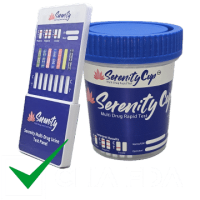
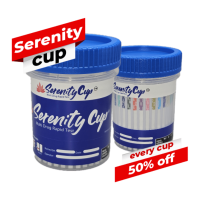
12 Panel Drug Test Manufacturer & Wholesale Supplier
As the manufacturer of Serenity® drug tests, 12 Panel Now offers more than 350 drug test cup configurations, professional oral swabs, urine dip cards, and single drug test strips with bulk pricing, same-day shipping, and dependable inventory for healthcare, workplace, laboratory, and government testing programs.
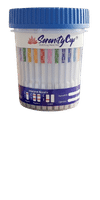
A 12 panel urine drug test screens for 12 commonly abused drugs in a single urine sample. Also known as a 12 panel drug screen, our Serenity® 12 Panel Drug Test Cups deliver up to 99% screening accuracy and are available in both CLIA Waived (FDA-cleared) and Forensic Use Only (FUO) configurations for professional drug testing programs. 12 Panel Now is a leading manufacturer and wholesale supplier of professional drug testing products,
including 12 panel drug tests for workplace drug screening, occupational health providers, healthcare
facilities, rehabilitation centers, laboratories, staffing agencies, schools, correctional facilities, and government
organizations. We manufacture reliable testing solutions designed for fast, accurate urine drug screening while
meeting the quality, compliance, and performance standards required by professional testing environments.
Our 12 panel drug tests are available with optional Specimen Validity Testing (SVT), integrated temperature strips,
alcohol (EtG), fentanyl, and custom drug panel configurations to support a wide range of workplace, clinical, and
forensic testing requirements. We also offer OEM manufacturing, private labeling, custom panel development,
competitive wholesale pricing, bulk purchasing, and same-day shipping to help distributors and organizations
source dependable drug testing products directly from the manufacturer.
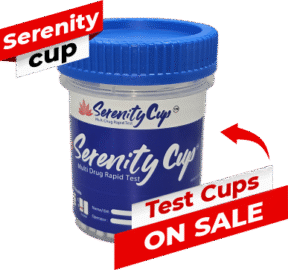
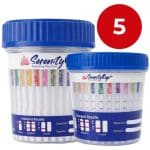
Shop now and save big while supplies last with unbeatable pricing, bulk discounts, and fast same day nationwide delivery. Our 12 panel drug test cups combine specimen collection and instant urine drug screening in one spill-proof cup, built with high-quality antibodies for reliable results and a double click top seal that locks every sample leak-free plus integrated specimen validity checks, temperature strips, and optional alcohol (EtG), fentanyl, and custom panel options. Premium quality at the best price, fewer collection errors, trusted by employers and healthcare providers nationwide.
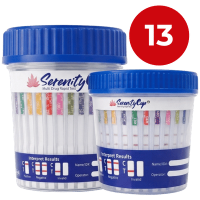
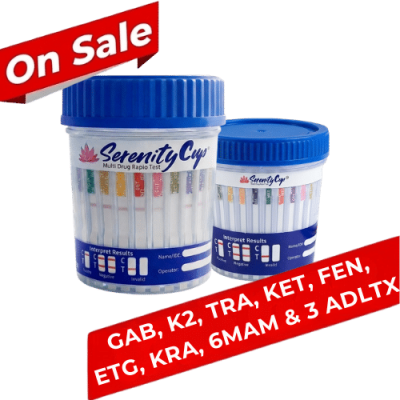
ETG, TRA, FEN, K2 & KRA & 3 adulterations Specific Gravity, pH and Creatinine
as low as $1.99 each
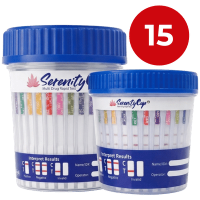
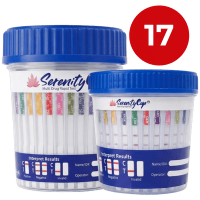
17 Panel Drug Test Cups
ETG, NFYL, EDDP, FEN, GAB & KRA & 3 adulterations Specific Gravity, pH and Creatinine
as low as $1.79 each
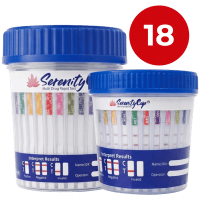
18 Panel Drug Test Cups
ETG, TCA, KRA, TRA, KET, FEN, & 3 adulterations Specific Gravity, pH and Creatinine
as low as $1.89 each
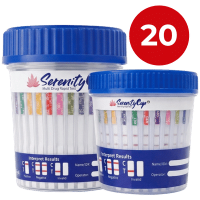
20 Panel Drug Test Cups
ETG, KRA, K2, FEN, GAB & 3 Adulterants (Specific Gravity, pH and Creatinine)
as low as $1.99 each
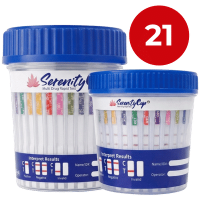
21 Panel Drug Test Cups
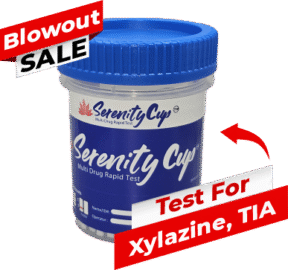
ETG, TRA, KET, K2, FEN, KRA, XYL, TIA, PY & 3 adulterations Specific Gravity, pH and Creatinin
as low as $2.49 each
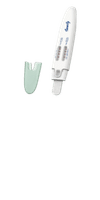
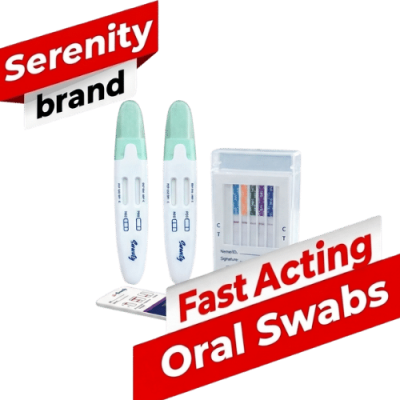
Pen Style Oral Swab Drug Test Fast Acting Saliva Test
as low as $0.59 each
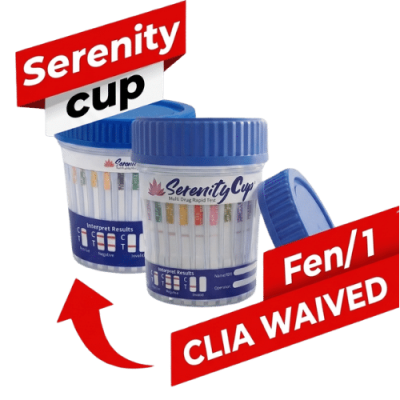
15 panel Fentanyl & NorFentanyl CLIA Waived
as low as $1.79 each
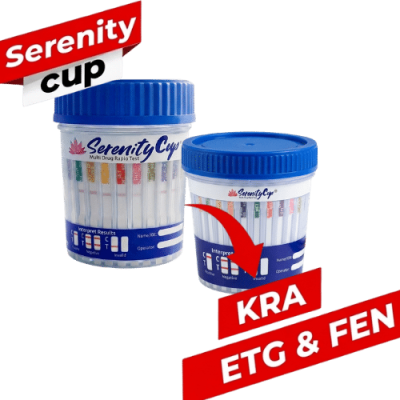
16 Panel Drug Test Cup with Kratom, Alcohol & Fentanyl
as low as $1.79 each
20 Panel Drug Test Cup with Gabapentin, Alcohol & Fentanyl
as low as $1.99 each
Lowest price 90ml Drug Test Cups
Economy Cups
5 panels to 20 Panels
as low as $0.69 each
Clia Waived & FDA Approved Drug tests
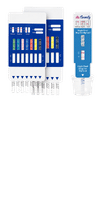
Drug Test Cups, Dip Strips,
Dip Cards, Specimen
as low as $0.29 each
All Drug Test Cups, Dips, Swabs
with Alcohol, Fentanyl,
KRA,XYL, PY, ZAZA, GABA, TRA, K2 …
as low as $0.65 each
Best Selling Test Cups & Devices
Cups, Strip Devices,
Swabs, Multi Dip
as low as $0.29 each
All
Economy Cups
as low as $0.59 each
4 to 19 panels Dip Cards
as low as
$0.65 each
12 Panel Drug Test Cups CLIA & FDA
as low as $1.39 each
Drug test cups with
Alchol & Fentanyl
as low as $0.79 each
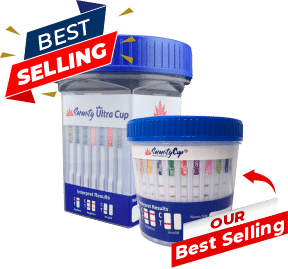
Best Selling
Drug Test Cups
check our Wholesale, Bulk Prices as Low As $0.69
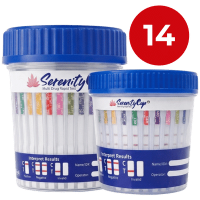
14 Panel Drug Test Cup - Alcohol, Fentanyl
as low as $1.49 each
15 Panel Drug Test - KRA, Alcohol, Fentanyl
as low as $1.79 each
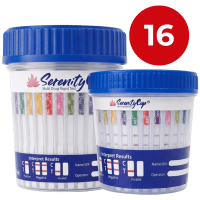
16 Panel Drug Test - KRA, Alcohol, Fentanyl
as low as $1.89 each
CLIA Waived cups & Dips
as low as $0.99 each
13 Panel Test Cups CLIA Waived & FDA with Fentanyl
as low as $1.59 each
14 Panel cups, CLIA & Fentanyl, Alcohol, K2
as low as $1.59 each
Alcohol test (ETG) low as $0.29
Fentanyl CLIA waived test low as $0.29
Kratom test as low as $0.29
Pregnancy test as low as $0.19
18 Panel Drug Test Cup FEN, KET, KRA, ADLTX
as low as $1.89 each
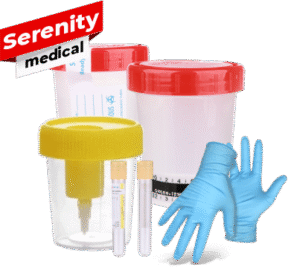
Medical
Supplies
Test Strips, Cartridges, Gloves,
harm reduction, Specimen Cups, Tubs
as low as $0.10 each
20 & 22 Panel Drug Test Xyl, Gab & Tianeptine
as low as $1.99 each
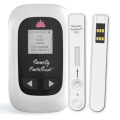
FREE Fentanyl Scanner & Tests
As low As $0.33
GHB Single Dip Strip
GHB Single Test
Kratom
Test Strip
As low As $0.29
Fentanyl
Test Strips
As low As $0.29
EtG Alcohol
Test Strips
As low As $0.29
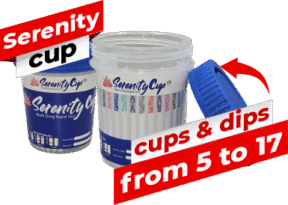
Drug Test Cups
All
From 5 to 28 panel cups
Drug Test Cups
CLIA Waived
With Fentanyl
Drug Test Cups
With Alcohol & Fentanyl
Drug Test Cups
CLIA Waived FDA Approved
Economy Test Cups Low prices - 90ml cups
Oral swabs drug tests
Saliva Oral Test
Multi level dip cards
From 4 to 19 panel
Clia Waived Drug Tests
501k Drug Tests
Fentanyl Drug Tests
FEN 1ng/ml to 20ng/ml
Alcohol
Drug Tests
Alcohol or EtG 80h test
Harm Reduction Drug Test
Solution, Powder test
Urine Specimen Supplies
Cups, Tubes & Gloves
1 Cup
28 Drugs
28 Panel Drug Test
Home & Family Drug Tests
Drug Test for Personal use
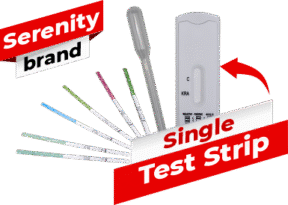
Single Drug Test Strip
40 to choose
Drug Test with Fentanyl & Alcohol
Tests with Fentanyl, Alcohol & Kratom
Clia waived tests with Fentanyl
Tests with Fentanyl, Alcohol & Pregnancy
Fentanyl test Solution Based / Harm Reduction
Best Selling
Drug Test Cups
Products
on Sale
Best selling
Single Drug Tests
Single Drug Test / Every Drug
40 Different Single Drug Tests
LSD Test
Xylazine Test
Kratom Test
Nicotine Test
ZAZA Test
Mushroom Test (PY)
Pregnancy Test (hCG)
Ketamine Test
Flakka Test
Gabapentin Test
4 Level THC test
THC 25ng
THC 50ng
Adulterations
K2
Heroin / 6-MAM
Clonazepam
Opiate
Covid Pen
Why Organizations Choose 12 Panel Now
12 panel drug tests are widely used across the United States for workplace screening, occupational health programs, healthcare facilities, rehabilitation centers, schools, correctional institutions, and government agencies. Whether you need a single case or truckload quantities, 12 Panel Now offers more than 350 professional drug testing configurations with dependable inventory, manufacturer-direct pricing, and fast nationwide fulfillment.
As the manufacturer of Serenity® drug testing products, we provide urine drug test cups, oral fluid tests, urine dip cards, and customized testing solutions designed to meet the operational needs of distributors, laboratories, employers, and healthcare organizations. Our wholesale program also supports private labeling, drop shipping, and scalable 3PL fulfillment for businesses that require reliable long-term supply.
Every 12 panel drug test we make comes in both compliance versions, so buyers choose the right one for their setting:
Choose from more than 15 million products in stock, including over 350 drug test cup configurations ranging from 5-panel to 28-panel tests. We also manufacture more than 60 pen-style oral swab variations, 60 multi-panel urine dip card options, and over 50 single-panel drug test strips, giving buyers one of the industry’s most comprehensive selections of professional drug testing products.
12 Panel Drug Tests in Cups, Dip Cards & Oral Swabs | CLIA-Waived & Forensic Use Only Options
A Forensic Use Only (FUO) 12 panel drug test is designed for non-diagnostic drug screening programs where results are used for employment, legal, correctional, probation, rehabilitation, or other administrative purposes rather than medical diagnosis. FUO devices provide rapid preliminary screening results using the same immunoassay technology found in professional drug testing products but are not FDA approved for clinical diagnostic use.
Many organizations choose FUO configurations because they support workplace drug testing, pre-employment screening, random testing, post-accident programs, correctional facilities, probation departments, rehabilitation centers, and other professional screening environments where a clinical diagnosis is not required.
FUO vs. CLIA-Waived Drug Tests
CLIA-Waived
Forensic Use Only (FUO)
FDA Approved for clinical diagnostic use
Intended for non-diagnostic screening
Requires a CLIA Certificate of Waiver when used in qualifying healthcare settings
Does not require CLIA certification because it is not intended for clinical diagnosis
Suitable for physician offices, clinics, and healthcare facilities performing waived testing
Commonly used for workplace, legal, correctional, probation, rehabilitation, and administrative testing programs
Choosing the correct version depends on how the test results will be used. Healthcare providers performing patient testing under CLIA regulations should select a CLIA-waived configuration, while organizations conducting non-diagnostic screening programs typically use Forensic Use Only devices. Every 12 Panel Now product clearly identifies its regulatory classification to help buyers select the appropriate configuration before ordering.
Note: All rapid drug tests are preliminary screening devices. Any presumptive positive result that will be used for employment, legal, clinical, or other significant decisions should be confirmed by a certified laboratory using GC-MS or LC-MS/MS, following your organization’s policies and applicable regulations.
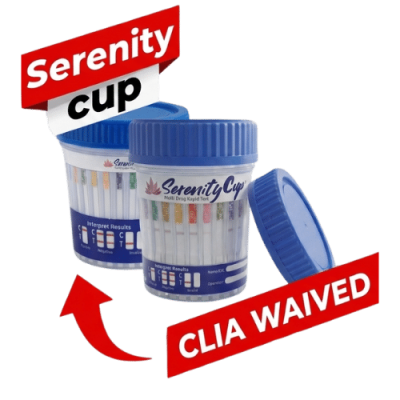
A CLIA-waived 12 panel drug test is designed for point-of-care drug screening in eligible healthcare settings where testing is performed outside a traditional laboratory. A CLIA waiver means the test has been determined to be simple to use with a low risk of incorrect results when performed according to the manufacturer’s instructions. Healthcare providers conducting waived testing must obtain a CLIA Certificate of Waiver from the Centers for Medicare & Medicaid Services (CMS).
FDA approved (often referred to as FDA 510(k) cleared) means the device has been reviewed by the U.S. Food and Drug Administration and found substantially equivalent to a legally marketed predicate device for its intended use. This provides healthcare organizations with confidence that the device meets applicable regulatory requirements for its cleared application.
CLIA-waived 12 panel drug tests are commonly used by:
Physician offices
Occupational health clinics
Urgent care centers
Hospitals
Rehabilitation and addiction treatment programs
Other healthcare facilities performing point-of-care drug screening
Every CLIA-waived product offered by 12 Panel Now clearly identifies its regulatory status, allowing buyers to select the appropriate device for their testing program. If you’re unsure whether your organization requires a CLIA-waived or Forensic Use Only configuration, our team can help you choose the correct option before placing your order.
A 12 panel drug test screens for 12 different drug classes using a single urine drug test cup, dip card, or oral fluid swab. Every standard 12 panel configuration includes the SAMHSA–5 drug classes—amphetamine, cocaine, marijuana (THC), opiates, and phencyclidine (PCP)—along with additional drugs commonly included in professional workplace, healthcare, rehabilitation, and forensic drug screening programs.
One of the biggest misconceptions is that every 12 panel drug test detects the same substances. There is no universal 12 panel drug test list. Two products labeled as a “12 panel drug test” may screen for different drugs because the twelfth panel is often customized for specific workplace policies, clinical requirements, or forensic testing programs. Always review the analyte list on the product page before ordering rather than relying solely on the panel count.
Standard 12 Panel Drug Test List
The following drug classes appear on most professional 12 panel drug tests sold in the United States, with one variable panel that differs by product configuration.
The final panel is selected to meet the needs of different testing programs. Depending on the device you choose, it may screen for fentanyl (FEN), EtG alcohol, synthetic cannabinoids (K2/Spice), tricyclic antidepressants (TCA), tramadol (TRA), kratom (KRA), PCP, or other analytes. This flexibility allows employers, healthcare providers, rehabilitation centers, correctional facilities, and government agencies to select the configuration that best matches their drug testing requirements.
Understanding Cutoff Levels
Cutoff concentrations determine whether a screening result is reported as negative or presumptive positive. For example, opiates are commonly available with 300 ng/mL and 2000 ng/mL cutoff levels. A 300 ng/mL cutoff is more sensitive and may detect lower concentrations of opiates, while a 2000 ng/mL cutoff aligns with federal workplace testing standards and is designed to reduce positives from dietary sources such as poppy seeds. Choosing the appropriate cutoff level helps ensure your testing program matches your organization’s policies and regulatory requirements.
12 Panel Now supplies bulk 12 panel drug tests starting at $1.19 per device, with free shipping on qualifying orders of 100 units or more and same-day dispatch on in-stock products. As the manufacturer of the Serenity™ line, we provide manufacturer-direct pricing without distributor markups, helping employers, distributors, healthcare providers, laboratories, and government organizations reduce procurement costs while maintaining reliable product quality.
Wholesale pricing is available across our complete range of 12 panel drug test cups, dip cards, and oral fluid swabs, with tiered discounts based on order volume. Whether you’re purchasing a single case or placing recurring bulk orders, larger quantities receive lower per-unit pricing.
Wholesale Pricing
Format
Starting Price
Highest Price
Free Shipping
12 Panel Dip Cards
$1.19
$1.79
100+ Cards
12 Panel Oral Swabs
$1.39
$2.09
100+ Swabs
90 mL 12 Panel Drug Test Cups
$1.29
$2.19
100+ Cups
120 mL 12 Panel Drug Test Cups
$1.49
$2.79
100+ Cups
Wholesale Programs
Our wholesale programs are designed for organizations that require dependable, high-volume drug testing supplies, including:
Drug test distributors
Occupational health providers
Physician offices and healthcare facilities
Rehabilitation and addiction treatment centers
Staffing agencies
Correctional facilities
Government organizations
Online retailers and resellers
Wholesale customers receive access to:
Tiered volume pricing across all product formats and panel counts
Reseller programs for retail and eCommerce businesses
Drop shipping directly to customers
Standing orders with scheduled recurring shipments
Same-day shipping on eligible in-stock products
OEM & Private Label Solutions
As the manufacturer of Serenity™ drug testing products, we also provide OEM manufacturing, private labeling, and custom drug panel configurations for qualified wholesale customers. If your organization requires specific analytes, custom cutoff levels, branded packaging, or exclusive product configurations, our manufacturing team can develop a solution tailored to your program.
If you’re purchasing drug tests in volume or need a customized wholesale solution, contact our team to discuss pricing, product configurations, and manufacturing options.
12 Panel Drug Test Cups | Compare All Serenity® Configurations
12 Panel Now manufactures the Serenity® range of 12 panel drug test cups in multiple configurations to meet workplace, healthcare, rehabilitation, correctional, and forensic drug testing requirements. While every cup screens for 12 drug classes, the variable analytes, specimen validity features, and cup size differ by configuration. Compare the available options below to choose the model that best matches your testing program.
This is the reference 12 panel, the SAMHSA-5 plus seven. Because it carries PCP, it is the configuration most often specified when an employer’s drug policy was originally drafted around federal testing language, which makes it the default for pre-employment screening programs. Available as the 120ml SM-CDOA-6125 from $1.49 or the 90ml SM-CDOA-6125-90 from $1.29. The dip-card equivalent is SM-DOA-6125.
Swaps PCP for tricyclic antidepressants. Used in psychiatric and behavioural-health settings where TCA adherence and overdose risk are more clinically relevant than PCP exposure. Also useful in geriatric and pain populations where TCAs are commonly prescribed. View SM-CDOA-7125 from $1.49. For TCA alongside gabapentin, step up to a 14 panel cup.
K2 does not trigger the THC strip. Synthetic cannabinoids are structurally unrelated to delta-9-THC and require their own antibody entirely. This is why corrections, probation, and residential treatment programs specify a K2 configuration. Synthetic cannabinoids such as K2 are not detected by standard THC panels, which is why many correctional facilities, probation departments, and treatment programs choose dedicated K2 configurations. Available as the 120ml SM-CDOA-3125-FUO from $1.49 or the 90ml SM-CDOA-3125-FUO-90 with OPI/300 from $1.29. To add ketamine alongside K2, see our 16 panel cups.
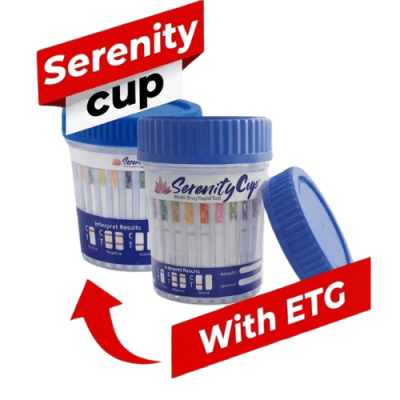
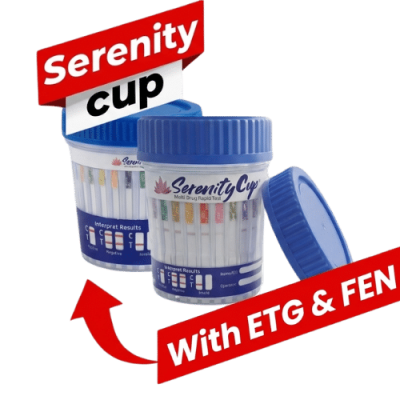
The fastest-growing line in the catalog, and the only 12 panel configuration covering both alcohol and fentanyl. ETG detects the alcohol metabolite ethyl glucuronide for up to 80 hours, meaning a Monday-morning test catches Saturday-night drinking, which a breathalyzer cannot. FEN at 20 ng/mL covers both pharmaceutical and illicit fentanyl, making this family the standard choice for MAT and opioid treatment programs.
The 4125 family trades BUP for BAR and ships with PH/SG/CR validity checks as standard. Choose it when specimen integrity is a live concern in your population.
Four variable analytes simultaneously: kratom, K2, ETG, and fentanyl. This is the widest emerging-substance coverage available in a twelve-strip format, and it exists because programs kept reporting clean 12 panels on donors who were visibly impaired. If your population uses kratom or synthetic cannabinoids, a standard panel is functionally blind. View SM-CDOA-9125EFK-FUO from $1.49. For harm reduction and street-supply surveillance, step up to 22 and 28 panel cups.
A 12 panel oral fluid drug test (also called a 12 panel saliva drug test or oral swab drug test) screens for twelve drug classes using a saliva sample collected directly from the donor’s mouth. Unlike urine drug testing, oral fluid testing detects recent drug use, making it the preferred choice for post-accident investigations, reasonable suspicion testing, roadside screening, workplace safety programs, and other situations where current impairment is more important than historical drug use.
Serenity® 12 Panel Oral Fluid Drug Tests are manufactured by 12 Panel Now and provide fast, observed sample collection with results in approximately 10 minutes. Because the collection process is directly observed, oral fluid testing greatly reduces the opportunity for specimen substitution, dilution, or adulteration while simplifying collection in workplaces, healthcare facilities, schools, correctional institutions, and field testing environments.
Why Choose a 12 Panel Oral Fluid Drug Test?
Oral fluid testing and urine testing answer different questions.
Urine drug tests identify drug use that occurred over the previous several days, depending on the substance.
Oral fluid drug tests are designed to detect recent drug exposure, typically within 12 to 48 hours, providing a closer indication of current drug use than urine testing.
Because many drugs remain in saliva for a shorter period than urine, oral fluid testing is widely used when recent consumption is more important than long detection windows.
When Is an Oral Fluid Drug Test Better Than Urine?
A 12 panel saliva drug test is often the preferred option for:
Post-accident workplace investigations
Reasonable suspicion drug testing
Random workplace drug screening
Roadside and mobile collections
Construction sites and remote job locations
Schools and university testing programs
Correctional facilities
Rehabilitation and addiction treatment programs
Situations where restroom access is unavailable
Donors unable to provide a urine sample (“shy bladder”)
Because collection is directly observed, oral fluid testing also minimizes specimen substitution and other common attempts to tamper with the testing process.
Compare All Serenity® 12 Panel Oral Fluid Configurations
This configuration combines traditional workplace drug screening with dedicated fentanyl detection while retaining THC screening for organizations that include cannabis in their drug testing policy. Because oral fluid primarily detects recent drug use, the THC panel is particularly useful for programs focused on identifying recent cannabis exposure rather than historical use.
Alcohol + THC Pen (SMSPD-3126A-EUO)
Detects: Standard 12-panel configuration plus Alcohol and THC.
Unlike urine EtG alcohol tests, which detect alcohol metabolites from previous drinking episodes, saliva alcohol testing is designed to identify current alcohol exposure. This makes the device well suited for post-accident investigations, reasonable suspicion testing, return-to-duty programs, and other situations where immediate impairment is the primary concern.
Detects:K2 • Alcohol • Fentanyl • Standard drug panel
This configuration replaces THC with synthetic cannabinoid (K2) screening while adding alcohol and fentanyl detection. It is particularly valuable for organizations operating in jurisdictions where recreational cannabis is legal but synthetic cannabinoids, fentanyl, and alcohol remain significant workplace safety concerns.
Alcohol + Fentanyl (No THC) Configuration (SMSPD-7126AF-FUO)
Detects: Alcohol • Fentanyl • MDMA • Standard drug panel
Designed for employers that do not include THC in their workplace drug testing policy, this configuration reallocates the cannabis panel to additional substances that may be more relevant to organizational safety programs and regulatory requirements.
Choosing THC or No-THC Configurations
Many employers now operate in states where workplace cannabis laws have changed. Depending on your organization’s drug testing policy and applicable state regulations, a No-THC configuration may be more appropriate than traditional cannabis screening.
Rather than screening for marijuana, these configurations use the available panel to detect substances such as fentanyl, alcohol, K2, or MDMA, allowing organizations to focus on drugs that remain actionable within their testing program. Employers should always review applicable federal, state, and local regulations before selecting a testing configuration.
How to Use a 12 Panel Oral Fluid Drug Test
Ensure the donor has not consumed food, beverages, tobacco, or chewing gum for at least 10 minutes before collection.
Place the collection pad inside the donor’s mouth and move it between the cheeks and beneath the tongue until fully saturated.
Wait approximately 3–5 minutes, or until the saturation indicator confirms adequate sample collection.
Insert the saturated collection pad into the testing device.
Allow the device to develop on a flat surface.
Read results after 10 minutes.
Do not interpret results after the recommended reading window.
A visible test line indicates a negative result for that drug class. The absence of a test line indicates a presumptive positive that should be confirmed by a certified laboratory using GC-MS or LC-MS/MS before making employment, medical, or legal decisions.
Why Choose Serenity® 12 Panel Oral Fluid Drug Tests?
Professional oral fluid drug tests manufactured by 12 Panel Now
Directly observed sample collection
Results in approximately 10 minutes
Detects recent drug use for workplace and clinical screening
Available with Fentanyl, Alcohol, K2, MDMA, THC, and No-THC configurations
Bulk wholesale pricing
Same-day shipping on eligible in-stock orders
Ideal for employers, healthcare providers, rehabilitation centers, laboratories, correctional facilities, and government agencies
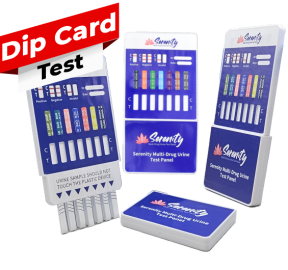
A 12 panel drug test dip card provides fast, professional screening for 12 drug classes using a separately collected urine specimen. It delivers the same rapid immunoassay screening technology used in many 12 panel drug test cups, while offering a lower per-test cost for organizations that already supply specimen collection containers. Serenity® 12 Panel Drug Test Dip Cards are manufactured by 12 Panel Now and are trusted by employers, occupational health providers, laboratories, rehabilitation centers, correctional facilities, staffing agencies, and government organizations for reliable workplace and clinical drug screening.
Unlike integrated drug test cups, dip cards require a separate urine collection cup before testing. This simple design reduces storage space, lowers shipping costs, and makes dip cards an economical choice for high-volume screening programs. Multiple configurations are available, including standard workplace panels, fentanyl testing, EtG alcohol detection, tramadol screening, and specimen validity testing (SVT).
12 Panel Drug Test Dip Card vs Drug Test Cup
Both formats use the same immunoassay screening technology and provide preliminary drug screening results in approximately 5 minutes, but they are designed for different workflows.
Feature
12 Panel Dip Card
12 Panel Drug Test Cup
Test Device
Separate dip card
Integrated collection cup
Urine Collection
Separate specimen cup required
Built-in specimen collection
Temperature Verification
Depends on collection container
Built-in temperature strip
Specimen Validity Testing
Available on selected models
Available on selected models
Typical Starting Price
From $1.19
From $1.29
Best For
High-volume screening programs
Chain of custody and professional collections
Choose a dip card if you already purchase specimen containers in bulk, need lower per-test costs, or conduct large numbers of routine drug screens. Choose a drug test cup when integrated specimen collection, built-in temperature monitoring, or simplified chain-of-custody procedures are priorities.
Who Should Use 12 Panel Drug Test Dip Cards?
Professional dip cards are commonly used by:
Employers conducting workplace drug testing
Occupational health clinics
Healthcare facilities
Clinical laboratories
Rehabilitation and addiction treatment centers
Staffing agencies
Schools and universities
Correctional facilities and probation programs
Government organizations
Compare All Serenity® 12 Panel Drug Test Dip Card Configurations
This configuration mirrors the popular Serenity® 12 Panel Drug Test Cup and is ideal for standard workplace drug testing programs requiring the traditional PCP panel. Organizations already using the cup version can transition to dip cards while maintaining the same drug panel and cutoff levels at a lower per-test cost.
Detects: Standard 12-panel configuration plus Fentanyl (FEN) and Specimen Validity Testing (pH, Specific Gravity, Creatinine).
This configuration combines fentanyl screening with integrated specimen validity testing to help identify diluted or adulterated urine samples. It is commonly selected by correctional facilities, rehabilitation centers, probation departments, and healthcare programs where specimen integrity is an important part of the testing process.
Detects: Standard drug panel plus Fentanyl, EtG Alcohol, Tramadol, and Specimen Validity Testing.
Designed for medication-assisted treatment (MAT), pain management, and addiction recovery programs, this configuration expands beyond traditional drug screening by detecting alcohol metabolites (EtG), fentanyl, and tramadol. Because tramadol does not consistently trigger a standard opiate test strip, a dedicated tramadol panel improves screening accuracy for programs monitoring prescription medication compliance.
How to Use a 12 Panel Drug Test Dip Card
Collect urine in a clean specimen container.
Allow both the specimen and dip card to reach room temperature (59°F–86°F / 15°C–30°C).
Remove the protective cap from the dip card.
Dip the absorbent strips into the urine sample for 10–15 seconds without passing the MAX line.
Remove the card, replace the cap, and place it on a clean, flat surface.
Read results after 5 minutes.
Do not interpret results after 10 minutes, as evaporation may affect the test lines.
A visible line at the test region indicates a negative result for that drug class, while the absence of a test line indicates a presumptive positive that should be confirmed by a certified laboratory using GC-MS or LC-MS/MS before making employment, clinical, or legal decisions.
Why Choose Serenity® 12 Panel Drug Test Dip Cards?
Professional-quality rapid drug screening manufactured by 12 Panel Now
Results in approximately 5 minutes
Starting at $1.19 per test
Multiple configurations including Fentanyl, EtG Alcohol, Tramadol, and Specimen Validity Testing
Bulk pricing for wholesale buyers
Same-day shipping on eligible in-stock products
Compatible with workplace, healthcare, rehabilitation, laboratory, and government drug testing programs
Which 12 Panel Drug Test Should You Choose? Cup vs Dip Card vs Oral Fluid
Choosing the right 12 panel drug test depends on how your organization collects specimens, the substances you need to detect, your testing environment, and whether samples may require laboratory confirmation. While all three testing formats screen for similar drug classes, each offers different advantages for workplace drug testing, healthcare, rehabilitation, corrections, and government screening programs.
Feature
12 Panel Cup
12 Panel Dip Card
12 Panel Oral Fluid Test
Specimen
Urine
Urine
Oral Fluid
Starting Price
$1.29
$1.19
$1.39
Collection Container
Included
Required
Not Required
Detection Window
2–7+ Days
2–7+ Days
12–48 Hours
Results
~5 Minutes
~5 Minutes
~10 Minutes
Temperature Verification
Built In
Depends on Container
Not Applicable
Adulteration Risk
Low
Moderate
Very Low
Restroom Required
Yes
Yes
No
Direct Observation
Limited
Limited
Easy
Laboratory Confirmation
Same Device
Transfer Required
Transfer Required
Best For
Workplace & Chain of Custody
High-Volume Screening
Recent Drug Use
12 Panel Drug Test Cup
A 12 panel drug test cup combines specimen collection, temperature verification, drug screening, and sample storage in one sealed device. Because collection and testing occur in the same container, cups simplify workflow while reducing handling errors and contamination.
This format is commonly selected for:
Workplace drug testing
Pre-employment screening
DOT-style collection procedures
Occupational health programs
Laboratory confirmation testing
Chain-of-custody collections
For organizations that may need to send specimens to a laboratory, urine cups provide the simplest and most secure collection process.
Best choice: Maximum compliance, specimen integrity, and professional collections.
12 Panel Dip Card
A 12 panel dip card uses the same urine drug testing technology but requires a separate specimen cup for collection. Because the testing device itself costs less, dip cards are a popular option for organizations performing large numbers of routine drug tests.
Dip cards are well suited for:
High-volume workplace screening
Rehabilitation programs
Staffing agencies
Schools
In-house occupational health testing
Budget-conscious screening programs
Organizations that already purchase collection containers separately often find dip cards to be the most economical solution.
Best choice: Lowest equipment cost for large-scale testing.
12 Panel Oral Fluid Drug Test
A 12 panel oral fluid drug test uses saliva instead of urine to detect recent drug use. Collection is performed under direct observation without requiring restroom facilities, making oral fluid testing ideal when specimen integrity and immediate collection are priorities.
Oral fluid testing is commonly used for:
Post-accident investigations
Reasonable suspicion testing
Roadside screening
Construction sites
Mobile testing programs
Government field operations
Safety-sensitive workplaces
Because oral fluid detects more recent drug use than urine, it is often preferred when employers need information about possible current impairment rather than historical drug use.
Best choice: Recent-use detection with simplified collection.
Consider the following before selecting a testing format:
Detection window – Urine detects drug use over several days, while oral fluid focuses on recent drug exposure.
Testing environment – Field collections often benefit from oral fluid testing because no restroom is required.
Collection workflow – Integrated urine cups simplify collection and reduce specimen handling.
Testing volume – Dip cards provide lower per-test costs for organizations conducting large numbers of screenings.
Regulatory requirements – Healthcare organizations may require CLIA-waived devices, while forensic programs often use Forensic Use Only (FUO) configurations.
Choosing the appropriate testing format helps improve collection efficiency, reduce specimen errors, and ensure your drug testing program aligns with workplace policies and regulatory requirements.
Why Buy from 12 Panel Now?
As the manufacturer of Serenity® drug testing products, 12 Panel Now offers professional 12 panel drug tests in urine cup, dip card, and oral fluid formats with manufacturer-direct pricing, bulk purchasing options, OEM and private-label services, same-day shipping, and expert guidance to help organizations select the right testing solution for their program.
A 12 panel drug test screens a single urine sample for 12 of the most commonly misused drugs at once, each at an industry-standard cutoff (ng/mL). The Serenity® 12 panel drug test cup detects:
Every kit is fully self-contained: a leak-proof urine cup, built-in temperature strip and result label no extra supplies needed. Need more coverage? Add FEN, EtG or K2, or step up to a 13–28 panel drug test cup.
A 12 panel urine drug test detects most substances for 2 to 4 days after use, with cannabis extending to 30 days in chronic users and ETG alcohol reaching 80 hours. A 12 panel saliva test detects 12 to 48 hours. Detection windows vary with dose, frequency, metabolism, body composition, and hydration.
Substance
Urine detection window
Saliva detection window
Amphetamine (AMP)
1–3 days
12–48 hours
Barbiturates (BAR)
2–15 days
12–48 hours
Buprenorphine (BUP)
3–6 days
12–48 hours
Benzodiazepines (BZO)
3–7 days (30+ chronic)
12–48 hours
Cocaine (COC)
2–4 days
12–24 hours
MDMA / Ecstasy
2–4 days
12–24 hours
Methamphetamine (MET)
2–5 days
12–48 hours
Methadone (MTD)
3–7 days
12–48 hours
Opiates (OPI/MOP)
2–4 days
12–36 hours
Oxycodone (OXY)
2–4 days
12–36 hours
PCP
3–8 days (30 chronic)
12–48 hours
THC — occasional use
3–7 days
12–24 hours
THC — chronic daily use
up to 30 days
12–24 hours
Fentanyl (FEN)
1–3 days
12–24 hours
Alcohol — ETG metabolite
up to 80 hours
n/a
Alcohol — saliva ALC
n/a
6–12 hours
K2 / synthetic cannabinoids
2–3 days
12–24 hours
Kratom (KRA)
3–7 days
n/a
Tramadol (TRA)
2–4 days
n/a
Tricyclics (TCA)
2–7 days
n/a
Why THC is the outlier.
THC is fat-soluble and accumulates in adipose tissue, releasing slowly over weeks. A daily user can test positive up to 30 days after stopping, while a first-time user may clear in 2 to 3 days. No other analyte on a 12 panel behaves this way, and it is the single largest source of disputed results.
These are screening-level estimates intended for program planning. They are not clinical or forensic determinations, and no detection window should be presented as evidence of when a substance was used.
Note:
Detection windows are general estimates provided for educational purposes only and vary by individual. They do not guarantee when a substance will or will not be detected.
Our 12 panel drug test cups are 99% accurate when used as directed. Immunoassay screening is a presumptive test: any non-negative result should be confirmed by a laboratory using GC-MS or LC-MS before being treated as a confirmed positive. Accuracy depends on following the instructions — collecting a valid sample, reading at 5 minutes, and checking the control line.
A standard 12 panel drug test does not include alcohol. To screen for alcohol, choose a cup that adds EtG (ethyl glucuronide) — such as the 12 Panel Cup with EtG.
› Base 12-panel = no alcohol panel
› EtG detects alcohol use for up to 80 hours — far longer than a breathalyzer
Because 12 Panel Now makes the Serenity® cup, you buy factory-direct. A 12 panel drug test kit starts as low as $1.39 per cup, dropping further at bulk volumes.
A standard 12 panel drug test screens urine for the following 12 substances.
Each has an established cutoff level (in nanograms per milliliter) — the concentration at or above which the result is reported as positive:
Drug
Abbrev.
Cutoff (ng/mL)
Amphetamines
AMP
500
Barbiturates
BAR
300
Benzodiazepines
BZO
300
Buprenorphine
BUP
10
Cocaine
COC
150
Methamphetamine
MET
500
MDMA (Ecstasy)
MDMA
500
Methadone
MTD
300
Opiates
OPI
300
Oxycodone
OXY
100
Phencyclidine
PCP
25
Marijuana
THC
50
Note:
Cutoff values above are the common industry configuration — confirm each against the Serenity® spec sheet, since some panels use different levels (e.g., AMP/MET 1000, COC 300).
Read each of the 12 test strips after 5 minutes. Any visible colored line next to a drug — even a faint one — means the result is negative for that drug. A missing line means a presumptive positive. If no control (C) line appears, the test is invalid and should be repeated. (See our full step-by-step guide: How to Read a 12 Panel Drug Test. The Serenity® 12 panel drug test cup detects:
Every cup includes a built-in temperature strip to help confirm the sample is valid and unadulterated. Read the temperature within 4 minutes of collection; a fresh urine sample should register within roughly 90–100°F (32–38°C). A reading outside that range can indicate a tampered or substituted sample.
You can buy 12 panel drug tests manufacturer-direct from 12 Panel Now, with millions of cups in stock and same-day shipping. Browse the 12 Panel Drug Test collection, or call 561-897-9238 / email [email protected] for volume and wholesale pricing.
A 12 panel drug test screens for the twelve most commonly abused prescription and illicit drugs, making it the standard choice for workplace testing, healthcare providers, rehabilitation centers, schools, and pre-employment screening. It delivers broad drug coverage while keeping costs lower than higher-panel tests.
14 panel, 16 panel, and higher panel drug tests include everything found in a 12 panel test, plus additional substances such as EtG (alcohol), fentanyl, ketamine, kratom, K2/spice, psilocybin, xylazine, or other specialty drugs, depending on the device configuration. These expanded panels are typically selected by pain management clinics, law enforcement, correctional facilities, probation programs, and organizations with stricter testing requirements.
Panel
Best For
Typical Coverage
12 Panel
Workplace, healthcare, schools, home testing
Most commonly abused drugs
14 Panel
Enhanced workplace & clinical screening
12 panel + additional drugs (varies by model)
16 Panel
Pain management & rehabilitation
More prescription and synthetic drugs
18–22+ Panel
High-risk and forensic testing
Broadest drug detection with specialty panels
If your organization only needs to identify the most common drugs of abuse, a 12 panel drug test offers the best balance of affordability, speed, and comprehensive screening. If your testing program requires detection of emerging drugs or alcohol biomarkers, a higher-panel configuration may be the better choice.
We manufacture and distribute the Serenity™ range directly — cups, dip cards, and oral fluid devices — rather than reselling another company’s product. That means wholesale pricing without an added margin layer, custom configurations that do not exist in standard catalogs, and direct answers about what is actually on each device.
From $1.19 per test, with tiered volume pricing across all formats
Free shipping on 100+ units, same-day dispatch on in-stock items
CLIA-waived and FDA-approved configurations available, clearly labelled
Every analyte and cutoff published on every product page — no guessing what your twelfth strip detects
Wholesale, reseller, drop-ship, OEM and private-label programs
Custom analyte configurations built to your program’s specification
12 PANEL NOW – The Nations Most Affordable Supplier of Drug Testing Supplies!
Above all, we have a varied marketplace offering drug test kits, urine dip tests, and other medical supplies that will assist you in providing a necessary drug screening solution.
Still, our key focus is on providing our customers with exceptional customer service and quality products.
What Makes Our Product Stand Out
Our 12-Panel Drug tests, as well as our other drug test kits, are 99% accurate and easy to use. Our 6 panel, 8 panel, 10 panel, 12 panel, 14 panel and 16 panel tests are CLIA waived and FDA approved. Each drug test cup has a no-drip seal, leak proof led and a built-in temperature strip to ensure safe handling and precise reading.
Accurate results are provided within just a few short minutes. For bulk pricing, purchase drug tests in bulk and receive pricing for as low as $1.29 per cup. And because we keep over 3,000,000 drug test cups in stock at any given time, we can ship your orders immediately!
Dip Tests
12 Panel Now’s Single Panel Urine dip tests are one of the most effective methods of screening for specific substances. Each urine dip test is a single panel, detecting only one drug of abuse at a time. Results are indicated within minutes. Some of the most popular dip tests are FEN, ETG/ALCOHOL, and PCP.
Drug Test Cups Wholesale
We offer drug test cups at wholesale Prices!
We guarantee you the best price for containers & warehouse orders delivered directly to your door!
At 12 Panel Now, we pride ourselves on being the largest drug test supplier in the country, offering unparalleled reliability and affordability. With our Serenity brand products, CLIA-waived & FDA-approved testing kits, and unbeatable buying power, we deliver industry-leading solutions that you can trust!
Why Choose 12 Panel Now?
When it comes to drug testing, 12 Panel Now stands out for all the right reasons. Here’s how we ensures you receive the best service and products in the industry:
Largest Supplier in the Country
Our unmatched buying power allows us to offer the best prices in the industry guaranteed! For example, our popular 12 panel drug test cups start as low as $1.89 per cup.
Top-Quality Serenity Products
All of our products are manufactured under the Serenity brand, which is recognized for its high quality and precision. Whether you choose our Serenity test cups, dip cards, test strips, or oral swabs, you can trust you’re receiving accurate, durable testing solutions.
CLIA-Waived and FDA-Approved Tests
All of our drug testing supplies meet rigorous safety and quality standards. We offer both forensic use products as well as CLIA Waived & FDA approved drug test kits. This ensures compliance with industry regulations while providing you peace of mind with every purchase.
Same-Day and Free Shipping on Bulk Orders
Time is often of the essence when you’re dealing with drug testing. To meet this need, we offer same-day shipping for orders placed before 3 PM EST M-F and free shipping on bulk orders, ensuring prompt delivery whenever you need it!
Popular Drug Tests on Sale
Stock up on our best-selling drug testing products and save BIG while ensuring you’re always ready for any of your testing needs!
A 12 panel drug test screens a single urine sample for 12 of the most commonly misused drugs at once, each at an industry-standard cutoff (ng/mL). The Serenity® 12 panel drug test cup detects:
Every kit is fully self-contained: a leak-proof urine cup, built-in temperature strip and result label — no extra supplies needed. Need more coverage? Add FEN, EtG or K2, or step up to a 13–28 panel drug test cup.
Detection windows vary by drug, dosage, metabolism, body composition, and frequency of use. Most drugs remain detectable in urine for approximately 1 to 7 days, while chronic marijuana use may be detectable for several weeks. A 12 panel drug test cannot determine exactly when a drug was taken—only whether it is present above the cutoff level.
12 Panel Now is a family-owned business that cares about you and your organization.
And we understand your drug testing needs. That’s why we do our best to provide you with top quality, Drug tests in bulk at low-cost, 99% accurate, CLIA-waived, and FDA-approved drug testing supplies.
Additionally, our products have a 24-month shelf life from the date of manufacture.
“Illicit drugs” are controlled or illegal substances used outside legitimate medical direction — the substances a 12 panel drug test is designed to detect.
› Illegal drugs such as cocaine, methamphetamine, heroin and MDMA
› Misused prescriptions such as oxycodone, benzodiazepines and buprenorphine
› Emerging substances like fentanyl, K2/spice and kratom (screened on expanded panels)
No, a standard 12 panel drug test does not test for alcohol. Most 12 panel drug tests are designed to detect commonly abused drugs such as amphetamines, cocaine, marijuana (THC), opiates, methamphetamine, benzodiazepines, barbiturates, methadone, PCP, oxycodone, MDMA, and propoxyphene (depending on the panel configuration). Alcohol requires a separate alcohol screening test because ethanol leaves the body much faster than most drugs.
If alcohol testing is required, employers, treatment programs, or legal agencies typically use an EtG (Ethyl Glucuronide) urine test, a breath alcohol test, or blood alcohol testing. Some drug test cups combine a 12 panel drug test with an EtG alcohol test so both drugs and recent alcohol consumption can be screened using a single urine sample.
No. Kava does not normally appear on a standard 12 panel drug test because its active compounds, called kavalactones, are not included in routine workplace drug screening.
Why doesn’t kava show up?
Kava is a plant-based supplement made from the roots of Piper methysticum. Unlike opioids, amphetamines, cocaine, THC, or benzodiazepines, its active ingredients have a completely different chemical structure.
Key points
Standard 12 panel tests do not screen for kava.
Kava is not a federally scheduled drug in the United States.
Routine employment drug tests are not designed to detect kavalactones.
Detecting kava requires specialized laboratory testing, which is rarely ordered.
Can kava cause a false positive?
Modern laboratory confirmation methods make false positives uncommon. While isolated reports exist with older immunoassays, confirmation testing such as GC-MS or LC-MS/MS generally rules out incorrect results.
Usually no. Ritalin (methylphenidate) and Focalin (dexmethylphenidate) are not included on most standard 12 panel drug tests. Although both medications are prescribed to treat Attention-Deficit/Hyperactivity Disorder (ADHD), they are chemically different from amphetamines and typically do not trigger the amphetamine screening panel.
Why don’t they appear on a standard 12 panel drug test?
Most workplace drug tests are designed to detect drugs with a high potential for misuse that are commonly required by employers, courts, and treatment programs.
Ritalin and Focalin belong to the methylphenidate class rather than the amphetamine class, so standard immunoassay drug screens generally do not identify them.
Key facts
Ritalin = methylphenidate
Focalin = dexmethylphenidate
Neither medication is usually included in a routine 12 panel drug screen.
They generally do not cause a positive amphetamine result because of their different chemical structure.
A laboratory can detect methylphenidate if a specific methylphenidate assay is ordered.
When could they be tested?
Healthcare providers, substance use treatment programs, or forensic laboratories may order specialized testing when monitoring prescription compliance or suspected misuse. A standard 12 panel drug test does not normally detect Ritalin or Focalin. Detecting either medication requires a dedicated laboratory test specifically designed for methylphenidate.
Routine workplace drug testing focuses on recreational and commonly misused prescription drugs rather than performance-enhancing substances.
Drugs that are NOT typically included
Testosterone
Anavar (Oxandrolone)
Dianabol (Methandrostenolone)
Winstrol (Stanozolol)
Deca-Durabolin (Nandrolone)
Trenbolone
Primobolan
Equipoise
How are steroids tested?
Testing for anabolic steroids usually requires:
Blood testing
Urine testing using GC-MS or LC-MS/MS
Hormone ratio analysis
Sports anti-doping laboratory testing
Professional sports organizations and anti-doping agencies often use these specialized methods because standard workplace drug screens are not designed to detect anabolic steroids.
Most of these medications do not appear on a standard 12 panel drug test. Routine drug screens only test for specific drugs and drug classes, so many commonly prescribed medications are excluded.
A standard 12 panel drug test focuses on drugs commonly required for:
Pre-employment testing
Random workplace screening
Court-ordered drug testing
Substance use treatment monitoring
Prescription medications outside those categories generally require individual laboratory assays.
Most of these medications will not appear on a standard 12 panel drug test. If testing is required, a healthcare provider or employer must request a specific laboratory analysis.
It is an instant/rapid test — results in roughly 5 minutes, no lab required.
Positive immunoassay results are commonly confirmed using:
Gas Chromatography-Mass Spectrometry (GC-MS)
Liquid Chromatography-Tandem Mass Spectrometry (LC-MS/MS)
These methods help distinguish true positives from false positives. If your 12 panel drug test includes MDMA, recent Molly or Ecstasy use can produce a positive result.
No. LSD (lysergic acid diethylamide) is not included on most standard 12 panel drug tests.
Why isn’t LSD included?
LSD is active in extremely small doses and requires highly specialized laboratory techniques for accurate detection. Routine workplace drug tests are designed to identify more commonly abused substances such as THC, cocaine, amphetamines, opioids, and benzodiazepines.
Important facts
Standard 12 panel tests do not screen for LSD.
Specialized laboratory testing is required.
Detection usually requires advanced analytical methods.
LSD testing is uncommon in routine employment screening.
A standard 12 panel drug test will not normally detect LSD unless a separate LSD test has been specifically ordered.
These compounds are not part of routine workplace drug screening panels.
Can kratom be detected?
Yes—but only if the laboratory specifically tests for it.
Specialized testing may be ordered by:
Pain management clinics
Drug rehabilitation programs
Probation departments
Forensic laboratories
Will kratom trigger an opioid test?
Generally no.
Although kratom interacts with opioid receptors, its chemical structure differs from morphine, codeine, heroin, and oxycodone. Most 12 panel drug tests do not detect kratom, but specialized laboratory assays can identify kratom metabolites when specifically requested.
Usually no. Tramadol is not detected by most standard 12 panel drug tests because it has a different chemical structure than traditional opiates. Although tramadol is an opioid analgesic, standard opiate immunoassays are primarily designed to detect drugs such as:
Morphine
Codeine
Heroin metabolites
Tramadol often requires its own dedicated screening panel.
When can tramadol be detected?
A laboratory can identify tramadol when:
A specific tramadol assay is ordered.
An expanded drug testing panel includes tramadol.
GC-MS or LC-MS/MS confirmation testing is performed.
Can tramadol cause a positive opioid test?
Generally no. However, test performance depends on the specific assay and cutoff values used by the laboratory. Positive screening results should always be confirmed with laboratory testing before making clinical, employment, or legal decisions.
A standard 12 panel drug test does not normally detect tramadol. If tramadol monitoring is needed, use a test panel or laboratory assay that specifically includes tramadol.
Usually no. Standard 12 panel drug tests do not detect Suboxone unless buprenorphine is included as a separate test panel. Suboxone contains buprenorphine and naloxone, and buprenorphine requires a dedicated assay because it is chemically different from traditional opioids such as morphine, codeine, or heroin.
If an employer, healthcare provider, or treatment program needs to monitor Suboxone use, they should order a buprenorphine drug test or use a 13 panel, 14 panel, or customized drug test cup that specifically includes buprenorphine (BUP). Without a buprenorphine panel, a person taking Suboxone will generally receive a negative result for that medication on a standard 12 panel drug test.
FREE SHIPPING RULES APPLIED TO ORDERS
*All Orders Will Be Shipped the Same Day If Placed Before 3:00 PM EST.
FREE SHIPPING 100 CUPS or more, same day shipping* FREE SHIPPING 200 STRIPS or more, same day shipping* FREE SHIPPING100 DIP CARDS or more, same day shipping*
FREE SHIPPING100 COVID TESTS or more, same day shipping* FREE SHIPPING100 GLOVES BOXES or more, same day shipping*
CUSTOMER SUPPORT: 561-871-1512 | SHIPPING: 561-879-7735