Cocaine Test Kits Explained: How Accuracy Is Measured


Cocaine test kits are tools that detect cocaine and its breakdown products in samples like urine, saliva, blood, and hair. They are used in healthcare, workplaces, law enforcement, and personal contexts. Accuracy is critical to avoid false positives or negatives, which can affect health, safety, and legal outcomes.
Key points about cocaine test kits:
- Detection methods: Include reagent tests (color changes), immunoassays (antibody reactions), and advanced lab techniques like GC-MS and HPLC for detailed analysis.
- Sample types: Urine detects use for 2–3 days, saliva for 1–2 days, blood up to 48 hours, and hair for months.
- Accuracy metrics: Sensitivity (detects cocaine presence), specificity (avoids false positives), and predictive values (result reliability) are used to measure performance.
- Field vs. lab tests: Field tests are fast and easy but less precise, while lab tests provide detailed, reliable results for legal or medical needs.
Understanding how these tests work and their limitations ensures better decision-making, especially in critical situations.
How Cocaine Test Kits Work
Detection Methods and Chemical Reactions
Cocaine test kits rely on scientific techniques to identify cocaine and its primary metabolite, benzoylecgonine. These methods range from simple chemical reactions to advanced molecular analysis, offering varying levels of complexity and precision.
Colorimetric reagent kits are among the simplest tools available. These kits use chemical reactions to produce visible color changes when they come into contact with cocaine. For instance, the Marquis Reagent turns light yellow or orange when cocaine is present, but darker shades may signal the presence of other substances. The Scott Reagent, on the other hand, is more specialized. It reacts exclusively to cocaine, creating a distinct blue color that shifts to pink when diluted.
Modern test strips often use immunoassay technology, particularly for urine testing. These strips rely on antibody-antigen interactions, where specific antibodies bind to cocaine metabolites in biological samples. This method is highly sensitive, capable of detecting trace amounts measured in micrograms per milliliter (µg/mL).
Thin Layer Chromatography (TLC) offers a different approach. It separates the components of a sample based on their solubility and interaction with a stationary medium. When cocaine is applied to a TLC plate, its components travel at different rates, forming distinct spots that can be analyzed.
Laboratory methods take detection to a more advanced level. Gas Chromatography-Mass Spectrometry (GC-MS), often considered the “gold standard”, vaporizes cocaine samples and separates their components using a column. A mass spectrometer then analyzes these components’ molecular structures, providing detailed insights into the cocaine and any adulterants.
Another sophisticated technique is High-Performance Liquid Chromatography (HPLC). This method dissolves cocaine in a liquid solvent, separates its components as they pass through a column, and quantifies each one precisely, making it ideal for measuring purity.
Finally, Infrared Spectroscopy (FTIR) uses infrared light to analyze chemical bonds within a sample. By observing how the sample absorbs light at various wavelengths, this method offers detailed information about both composition and purity.
These diverse detection methods highlight the differences between field and laboratory testing, each suited to specific needs.
Field Tests vs. Lab Tests
Field and laboratory tests serve different purposes, with each offering unique advantages and limitations.
Field tests are designed for speed and ease of use. Tools like colorimetric reagent kits and immunoassays provide results in minutes by relying on immediate chemical reactions or antibody-antigen interactions. These tests are ideal for quick screenings, but they lack the precision needed to determine exact purity levels – they simply confirm the presence of cocaine.
The simplicity of field tests makes them invaluable in time-sensitive situations. They are affordable, user-friendly, and require minimal training or equipment. Law enforcement often uses them for roadside checks, while workplaces may rely on them for initial drug screenings.
Laboratory tests, on the other hand, use advanced techniques like molecular separation and light absorption analysis to deliver highly accurate results. Methods such as GC-MS, HPLC, and FTIR can detect even tiny impurities and provide precise measurements of cocaine purity. These tests are the go-to choice for legal, medical, and research purposes.
However, laboratory testing has its challenges. It requires expensive equipment, skilled professionals, and more time – sometimes hours or even days – to complete. Despite these drawbacks, lab tests are critical for confirming field test results, especially in situations with legal or professional consequences.
| Test Method | Detection Principle | Accuracy Level | Primary Application |
|---|---|---|---|
| Colorimetric Reagent Kits | Chemical reactions causing color change | Limited – indicates presence only | Field screening, immediate results |
| Immunoassay Strips | Antibody-antigen binding | Moderate – detects trace levels | Point-of-collection testing |
| GC-MS | Molecular separation and mass analysis | High – detects trace impurities | Laboratory confirmation, legal cases |
| HPLC | Liquid separation and quantification | High – precise purity measurement | Advanced laboratory analysis |
| FTIR Spectroscopy | Infrared light absorption analysis | High – composition and purity data | Laboratory testing, research |
Ultimately, the choice between field and lab tests depends on the situation. Field tests are perfect for quick, on-the-spot screenings, while laboratory methods provide the precision needed for decisions involving legal, medical, or professional stakes.
Field Presumptive Drug Tests – Colorimetric Kits
How Test Accuracy Is Measured
The reliability of test kits is assessed using specific metrics that are crucial in workplace settings, legal scenarios, and healthcare environments.
Sensitivity and Specificity
Sensitivity refers to a test’s ability to detect cocaine when it is present, minimizing the risk of false negatives. False negatives can have serious consequences, particularly in safety-sensitive or legal contexts. On the other hand, specificity measures how accurately a test identifies samples that are cocaine-free, reducing the chance of false positives caused by cross-reactivity.
A field study conducted between December 1995 and March 1996 examined the performance of four on-site cocaine testing kits using 303 urine samples from DUI arrestees. Sensitivity for cocaine detection ranged from 82.5% to 100%, while overall accuracy fell between 97.4% and 98.0%.
Striking the right balance between sensitivity and specificity is essential. For instance, a test designed to detect even tiny traces of cocaine may occasionally yield false positives. Conversely, a test that minimizes false positives might miss very low levels of the drug. Targeting benzoylecgonine, a primary cocaine metabolite, helps improve both sensitivity and specificity by reducing the risk of cross-reactivity.
| Performance Metric | What It Measures | Impact of Low Performance |
|---|---|---|
| Sensitivity | Detects cocaine presence (true positives) | Misses actual cocaine use (false negatives) |
| Specificity | Identifies cocaine absence (true negatives) | Flags clean samples incorrectly (false positives) |
| Overall Accuracy | Combines reliability across all samples | Leads to inconsistent results for decision-making |
These metrics form the foundation for reliable testing, whether performed in the field or a laboratory.
Predictive Values
Predictive values offer a clearer picture of test results. The positive predictive value indicates the likelihood that a positive result truly reflects cocaine presence, while the negative predictive value confirms the reliability of a negative result. According to the FDA, “No drug test of this type is 100% accurate”, emphasizing that factors like testing for the wrong substance, using expired reagents, or improper timing can all lead to false negatives.
The 1995–1996 study also provided predictive values, highlighting the practical reliability of these tests. This reinforces the importance of confirming positive results through laboratory analysis rather than relying solely on initial screenings.
These predictive metrics, combined with regulatory oversight, ensure that test performance meets necessary standards.
FDA Standards
Regulatory standards, particularly those set by the U.S. Food and Drug Administration (FDA), play a vital role in validating the accuracy of cocaine test kits. The FDA oversees Drugs of Abuse Home Use Tests to confirm they meet established benchmarks for reliability and accuracy. FDA clearance serves as a key quality indicator.
For example, while some sweat collection devices have received FDA approval for drug testing, similar devices in Europe remain unapproved due to concerns about their reliability. FDA-cleared home-use tests are designed to be sensitive enough to detect drugs like cocaine. However, the agency emphasizes that these tests are intended as preliminary tools and not definitive diagnostic methods.
The FDA also highlights the potential for false positives in home tests, urging users to understand the limitations of these devices. This transparency helps guide users on when to rely on at-home tests and when to seek laboratory confirmation, which remains the gold standard due to controlled testing conditions that minimize variables.
Factors That Affect Test Accuracy
Several external elements can influence the accuracy of cocaine test kits, including the type of sample, storage conditions, and environmental factors. Grasping these aspects is crucial when analyzing sensitivity and specificity data. Proper sample handling, storage, and field conditions play a pivotal role in ensuring reliable results.
Sample Type and Handling
Some cocaine test kits are specifically designed to work with powdered samples, and their effectiveness heavily depends on precise preparation. The National Forensic Science Technology Center (NFSTC) highlights that these kits are intended exclusively for powdered substances and require meticulous preparation to produce reliable outcomes.
Storage and Environmental Conditions
Maintaining the accuracy of test kits hinges on proper storage practices. As the NFSTC points out, stable environmental conditions are essential to preserve the chemical components within the kits. Factors like temperature fluctuations, high humidity, or even brief exposure to air can degrade reagents, potentially leading to false positives. A study noted:
“Even exposure to air caused false positives in some kits, according to their tests.” – Dr. Omar Bagasra, Research Scientist, Claflin University
These storage-related vulnerabilities often exacerbate problems linked to cross-reactivity, especially in field settings.
Cross-Reactivity and Interference
Beyond storage concerns, environmental interference can further compromise test results. Dr. Omar Bagasra and his research team found that interpreting results was already challenging in controlled laboratory conditions, suggesting that field environments make accurate interpretation even harder.
“The scientists noted that they had trouble interpreting results in a laboratory environment and ‘you can imagine in the field it’s even more difficult.'” – Dr. Omar Bagasra, Research Scientist, Claflin University
sbb-itb-99fc241
Common Cocaine Test Kits and Their Features
Once you understand how accuracy is measured in cocaine testing, it’s time to explore the different test kits available and what they bring to the table. Choosing the right kit can make a big difference in getting reliable results.
Types of Cocaine Test Kits
- Field Test Reagents
Field test reagents are quick and straightforward, relying on chemical reactions to detect cocaine. For example, Scott’s Reagent turns a noticeable blue, while the Marquis Reagent shifts to orange-brown when it interacts with cocaine and certain alkaloids. These kits are handy for on-the-spot testing, but results can vary depending on lighting conditions and the user’s interpretation. Careful reading of results is essential. - Multi-Panel Test Cups
These cups go beyond just cocaine detection, screening for multiple substances in one go. Using urine samples and immunoassay technology, they provide a broad overview of various drugs in a single, convenient test. - Single Drug Test Strips
Designed specifically for cocaine detection, these strips operate on a lateral flow immunoassay principle. They work much like home pregnancy tests, where the sample moves along a test membrane embedded with antibodies that react when cocaine metabolites are present. - Oral Swab Tests
Oral swabs are ideal for detecting recent cocaine use, typically within the past 24 to 48 hours. They’re quick and discreet, making them a great option for situations where rapid results are needed.
Choosing the right test kit depends on your specific needs, whether it’s for comprehensive screening or recent-use detection.
12PanelNow Cocaine Test Kit Features
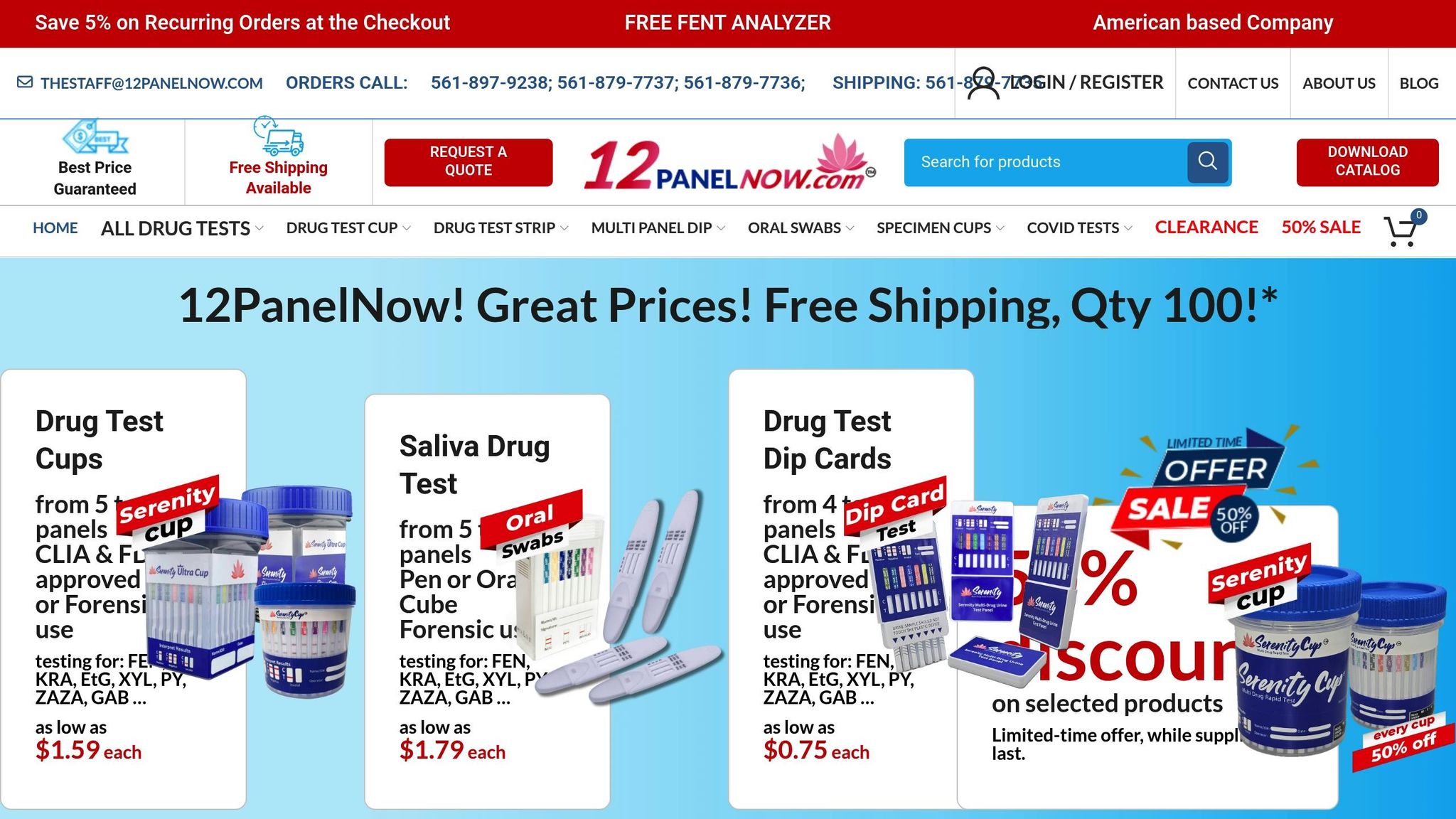
12PanelNow offers a range of test kits tailored for accurate and easy cocaine detection. Their lineup includes multi-panel cups, single drug test strips, and oral swabs, all designed to simplify the testing process while ensuring sample integrity. These kits come with clear instructions and easy-to-read indicators to minimize user error. Built to meet high-quality standards, 12PanelNow’s products aim to deliver reliable results. For more details and to explore their offerings, visit the 12PanelNow website.
Best Practices for Accurate Testing
Getting accurate results from cocaine testing isn’t just about having the right test kit. Even the most advanced tools can give misleading results if they aren’t used correctly. To ensure reliable outcomes, it’s essential to follow proper procedures and maintain consistent standards. Here’s how to do it right.
Follow Manufacturer Instructions
One of the most common mistakes in drug testing is not following the instructions provided with the kit. As US Drug Test Centers point out, “Incorrect test administration is probably the most common reason for an inaccurate home drug test. Urine, hair, and saliva tests all have specific instructions that must be followed to get an accurate result. If you don’t follow the instructions correctly, it could lead to a false-positive or false-negative result.”
The FDA also stresses the importance of preparation: “It is very important that the person doing the test reads and understands the instructions first, before even collecting the sample.” Taking the time to carefully review the instructions before starting the test can make all the difference.
Timing is another critical factor. Reading the results too early might miss a positive, while waiting too long could lead to misinterpretation. Always stick to the timing guidelines outlined in the instructions.
Storage and handling also play a role. Resurgence Behavioral Health explains that “Factors affecting the accuracy of home drug tests include the quality of the test kit, the storage conditions of the test, and adherence to the testing instructions.” To avoid issues, keep test kits in their original packaging, store them in a dry area, and protect them from direct sunlight or moisture.
Lastly, sample collection must be done exactly as specified in the instructions. This ensures the sample is adequate and free from contamination. Once these steps are followed, the next focus should be on confirming results when necessary.
When to Use Lab Confirmation
While at-home drug tests provide quick results, they are only preliminary. If a test shows a positive result, it’s crucial to confirm it through a lab test, especially in high-stakes situations. Rapid cocaine test kits can detect the presence of cocaine metabolites above a certain threshold, but they don’t provide detailed identification or concentration levels.
For workplace drug testing programs that follow federal guidelines, confirmation through Gas Chromatography/Mass Spectrometry (GC/MS) is mandatory for any positive screening result. Lab confirmation becomes even more critical when initial results are unclear or raise concerns. If there’s suspicion of harmful adulterants, advanced methods like GC/MS or HPLC-MS/MS can accurately identify the substances involved. Lab testing is especially important in legal cases, employment decisions, or any situation where precise substance identification is required.
Quality Control Measures
Accurate testing also demands strong quality control measures. Start by checking expiration dates regularly, as expired reagents can compromise results.
For organizations that conduct frequent testing, having standard operating procedures in place ensures consistency. This includes training staff, keeping detailed records, and performing regular quality checks. Some kits, like those from 12PanelNow, include built-in temperature strips to verify sample validity. Maintaining a chain of custody – tracking who collected the sample, when it was collected, and how it was handled – adds another layer of reliability, particularly for official purposes.
To further ensure accuracy, periodically test the kits using known positive and negative controls. Environmental factors, such as extreme temperatures, high humidity, or exposure to chemical fumes, can also interfere with test performance. Conduct tests in a clean, well-lit space to avoid errors in result interpretation.
Finally, stay informed about regulatory updates. Standards from agencies like CLIA and the FDA can change, affecting which tests are suitable for specific uses. While many 12PanelNow products are CLIA-waived, it’s a good idea to verify current certifications to ensure compliance with your needs.
Key Points About Cocaine Test Kit Accuracy
Accurate cocaine testing relies on three main metrics: sensitivity, specificity, and predictive values. Sensitivity measures the test’s ability to correctly identify the presence of cocaine, while specificity ensures it avoids false positives. Predictive values, on the other hand, assess how reliable the test results are in real-world scenarios. Together, these metrics form the foundation for ensuring dependable cocaine testing practices.
FAQs
How do cocaine test kits identify cocaine and distinguish it from other substances?
Cocaine test kits work by identifying cocaine and distinguishing it from other substances through specific chemical reactions and analytical methods. Colorimetric tests, for instance, trigger a noticeable color change when cocaine is present. The resulting color’s intensity or shade can even hint at the substance’s purity.
For more precise results, advanced methods like Thin Layer Chromatography (TLC) and Gas Chromatography-Mass Spectrometry (GC-MS) come into play. These techniques separate and analyze the components of a sample, confirming cocaine’s presence with remarkable accuracy. However, they often require specialized equipment and trained professionals to operate.
While each testing method has its pros and cons, they all focus on detecting cocaine by targeting its unique chemical characteristics.
What are the drawbacks of using field cocaine tests compared to lab testing?
Field tests for cocaine detection, like reagent kits, are designed to deliver quick, on-the-spot results. However, they have their drawbacks. These tests often fall short in accuracy and dependability compared to laboratory methods, which can lead to false positives or negatives.
In contrast, laboratory tests – like gas chromatography-mass spectrometry (GC-MS) – offer a much higher level of precision. They can detect even minute traces of substances and provide detailed analysis, including identifying impurities. While field tests are practical for immediate screening, they lack the depth and sensitivity of lab testing, which remains the benchmark for thorough and reliable substance analysis.
How do storage conditions and sample handling affect the accuracy of cocaine test kits?
The reliability of cocaine test kits can be influenced by various external factors, particularly the way kits and samples are stored and managed. Poor storage conditions, such as exposure to high humidity or extreme temperatures, can compromise the test materials, making results less dependable. Likewise, improper handling – like contaminating the sample or delaying the testing process – can also skew accuracy.
For the best results, always follow the manufacturer’s storage instructions. This usually means keeping the kits in a cool, dry location. Handle samples with care to prevent contamination, and make sure to test them as soon as possible to maintain accuracy.