



Drug Screening Process Improvement for Reliable Results

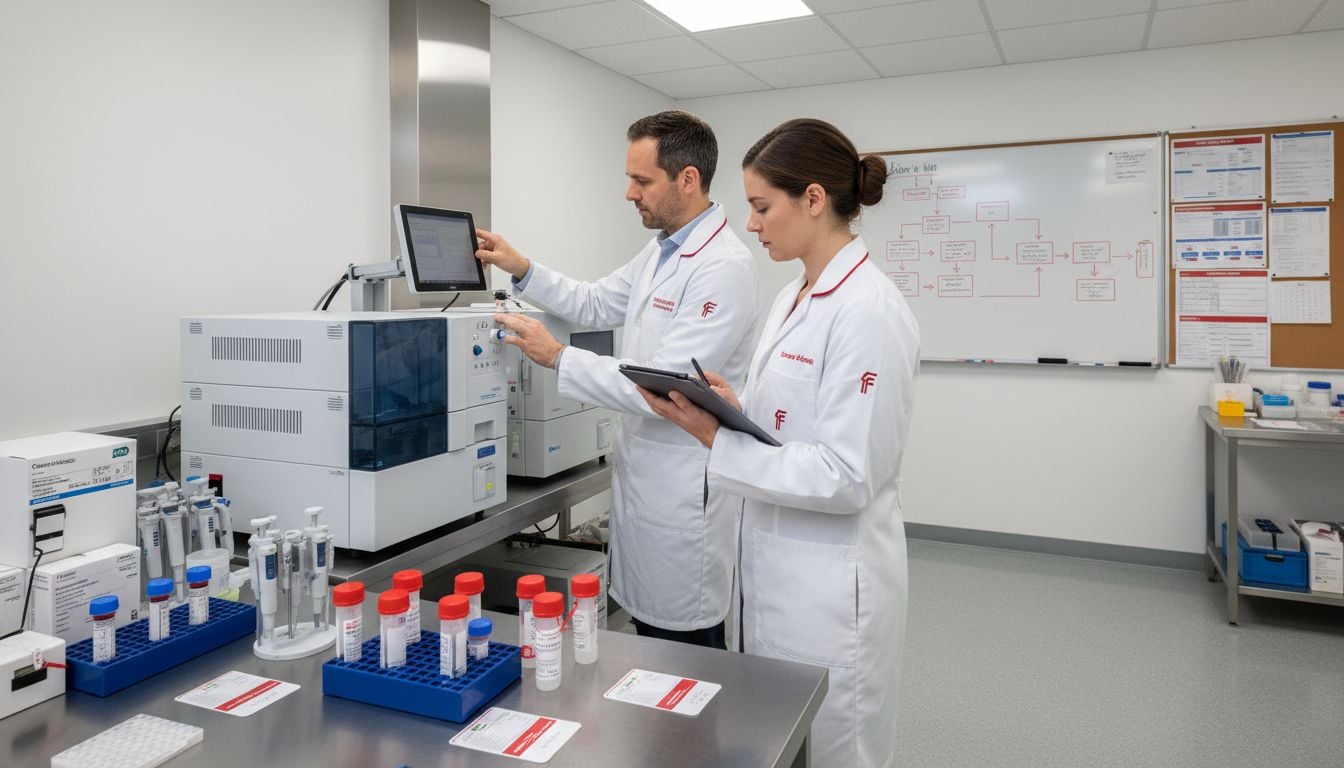
Gaps in drug screening protocols can lead to serious mistakes, with studies revealing that almost one in three healthcare professionals have trouble interpreting test results accurately. Reliable screening matters because errors can mean missed drug use or wrongful accusations. By reviewing and refining each step, you can catch weak points before they cause problems and boost the integrity of your entire testing process.
Table of Contents
- Step 1: Assess Current Screening Protocols For Gaps
- Step 2: Select Optimal Drug Testing Supplies And Kits
- Step 3: Standardize Collection And Handling Procedures
- Step 4: Implement Quality Control Measures Consistently
- Step 5: Verify Accuracy And Document Screening Outcomes
Quick Summary
| Key Point | Explanation |
|---|---|
| 1. Assess screening protocols for gaps | Identify weaknesses in your drug screening process to enhance reliability and accuracy. |
| 2. Choose FDA-compliant testing supplies | Select drug testing kits that meet stringent performance standards to ensure effective screening results. |
| 3. Standardize collection and handling procedures | Develop uniform protocols for sample collection to prevent contamination and errors, enhancing test integrity. |
| 4. Implement consistent quality control measures | Establish regular calibration and documentation practices to maintain the accuracy of your drug screening results. |
| 5. Verify and document all screening outcomes | Maintain a systematic approach for verifying test results and documenting data to support accurate decision-making. |
Step 1: Assess current screening protocols for gaps
Understanding potential vulnerabilities in your drug screening process is crucial for maintaining reliable testing results. In this step, you will systematically examine your current protocols to identify potential weak points that might compromise accurate drug detection.
According to research from PubMed, significant knowledge gaps exist among healthcare professionals in interpreting drug screening results, particularly in fields like emergency medicine and primary care. This highlights the importance of a comprehensive protocol review. Start by mapping out your entire screening workflow and critically analyze each stage for potential inconsistencies.
Key areas to scrutinize include sample collection procedures, testing methodologies, result interpretation protocols, and staff training mechanisms. Pay special attention to potential manipulation techniques. As research from NCBI warns, some individuals use products designed to produce false negatives by diluting urine samples or attempting to eliminate drug traces.
Pro Tip: Create a detailed checklist that covers every step of your drug screening process, from initial sample collection to final result reporting.
To effectively assess your protocols, consider these critical evaluation points:
- Review staff training records and competency assessments
- Analyze historical testing data for unusual patterns
- Examine chain of custody documentation
- Verify equipment calibration and maintenance logs
- Check compliance with current industry standards and regulations
By systematically identifying potential gaps, you can develop a more robust and reliable drug screening approach that minimizes errors and enhances overall testing accuracy. The next step involves developing targeted improvements based on your assessment findings.
Step 2: Select optimal drug testing supplies and kits
Selecting the right drug testing supplies is critical for ensuring accurate and reliable screening results. Your goal is to choose testing kits that meet the highest standards of precision and effectiveness across different testing environments.
Research from the Nebraska Supreme Court highlights the importance of choosing FDA-compliant equipment with specific performance characteristics. When evaluating drug testing supplies, focus on key criteria such as accuracy, precision, sensitivity, and specificity. Look for kits that provide comprehensive calibrators and control materials to validate your testing process.
As research from NCBI indicates, near-patient urine testing for substances like opioids and cocaine can demonstrate high sensitivity and specificity when the right supplies are selected. Consider these essential factors during your selection process:
- Verify FDA approval and compliance
- Check the range of substances the kit can detect
- Assess the kit’s sensitivity and specificity levels
- Review shelf life and storage requirements
- Examine the ease of use and training requirements
Pro Tip: Request product performance data and validation studies from manufacturers before making a final selection.
For comprehensive testing, consider top drug testing supplies for healthcare facilities that offer versatile and reliable screening options. The next step involves implementing your chosen testing supplies and establishing robust testing protocols.
Step 3: Standardize collection and handling procedures
Creating a uniform approach to sample collection and handling is essential for maintaining the integrity and reliability of your drug screening process. Your objective is to develop consistent protocols that minimize variability and potential errors across all testing stages.
According to the United Nations Office on Drugs and Crime, standardized data collection and handling procedures are critical for ensuring consistency and reliability in drug screening processes. Develop a comprehensive written protocol that covers every aspect of sample management from initial collection to final analysis.
Research from NCBI emphasizes that improper sample handling can lead to false negatives through dilution or contamination. To mitigate these risks, implement a rigorous set of standardized procedures:
- Define precise sample collection techniques
- Establish clear chain of custody documentation
- Create strict storage and transportation guidelines
- Develop detailed contamination prevention protocols
- Design comprehensive staff training programs
Pro Tip: Implement a chain of custody checklist for emergency drug testing to ensure tracking and accountability throughout the entire testing process.
By establishing these standardized procedures, you create a robust framework that reduces human error and enhances the overall reliability of your drug screening program.
The next step involves training personnel to consistently follow these meticulously designed protocols.
Step 4: Implement quality control measures consistently
Maintaining consistent quality control is the cornerstone of reliable drug screening processes. Your goal is to establish a systematic approach that ensures every test meets the highest standards of accuracy and precision.
Research from the Nebraska Supreme Court highlights the critical importance of comprehensive quality control, including bi-annual preventative maintenance and prompt repair services for testing equipment. Develop a detailed quality control strategy that goes beyond basic compliance and truly enhances your testing reliability.
According to NCBI, implementing rigorous quality control measures is essential to maintaining the accuracy of drug screening results. Key strategies to ensure consistent quality include:
- Establish a regular equipment calibration schedule
- Create comprehensive documentation protocols
- Conduct periodic performance audits
- Implement multi-level validation checks
- Develop a systematic error tracking and resolution process
Pro Tip: Follow best practices for drug testing organizations to elevate your quality control approach and minimize potential screening errors.
By meticulously implementing these quality control measures, you build a robust system that minimizes variability and ensures the highest level of testing integrity. The next step involves continuous monitoring and ongoing improvement of your quality control processes.
Step 5: Verify accuracy and document screening outcomes
Ensuring precise verification and meticulous documentation of drug screening results is critical for maintaining the integrity of your testing process. Your objective is to develop a systematic approach that minimizes interpretation errors and creates a comprehensive record of screening outcomes.
Research from PubMed emphasizes the crucial need for healthcare professionals to accurately interpret urine drug test results, highlighting that misinterpretation can lead to significant clinical consequences. Implement a multi-step verification process that involves independent review and cross-checking of screening results.
According to NCBI, thorough documentation is essential to prevent potential misdiagnosis or inappropriate treatment decisions. Develop a comprehensive documentation strategy that includes:
- Create standardized result verification forms
- Implement double verification protocols
- Establish clear criteria for result interpretation
- Design secure digital record keeping systems
- Develop a systematic approach for archiving screening data
Pro Tip: Use consistent documentation templates to ensure uniform and reliable record keeping across all screening processes.
By meticulously verifying and documenting screening outcomes, you create a robust system that supports accurate decision making and provides a clear audit trail. The final step involves developing a continuous improvement process to refine your drug screening methodology.
Strengthen Your Drug Screening Process with Trusted Supplies
Identifying gaps and improving your drug screening procedures can feel overwhelming when accuracy and reliability are on the line. This article highlights crucial challenges like standardizing collection protocols and implementing consistent quality control measures that affect the integrity of your testing outcomes. If you want to tackle these pain points with confidence, you need supplies that support thorough verification and precise testing every step of the way.
Explore our selection of high-quality drug testing tools designed specifically to help healthcare providers, workplaces, and laboratories enhance their screening processes. Start by visiting our Complete Drug Test Knowledge Base – 12 Panel Now for expert insights. Then, choose from reliable products at Drug Test – 12PanelNow | 12 Panel Drug Test | Free Shipping to build a screening system you can trust. Don’t wait to improve your testing accuracy and documentation procedures. Visit 12 Panel Now today and get the supplies that make a real difference.
Frequently Asked Questions
How can I identify gaps in my drug screening protocols?
To identify gaps in your drug screening protocols, conduct a thorough review of your current processes. Map out each stage of your screening workflow and critically analyze areas like sample collection, testing methodologies, and result interpretation for inconsistencies.
What should I consider when selecting drug testing supplies?
When choosing drug testing supplies, prioritize FDA-compliance, accuracy, and sensitivity of the testing kits. Request performance data from manufacturers to ensure the kits can reliably detect the substances you plan to test for and validate your chosen supplies.
How can I standardize sample collection and handling procedures effectively?
Standardize your sample collection and handling procedures by creating detailed written protocols for every step, from initial collection to analysis. Implement a chain of custody checklist to track samples and prevent contamination or manipulation.
What quality control measures should I implement for drug testing?
To ensure quality control in drug testing, establish regular equipment calibration schedules and conduct periodic performance audits. Develop comprehensive error tracking protocols so that you can address any inconsistencies promptly and effectively.
How do I document and verify drug screening results accurately?
Document drug screening results accurately by using standardized verification forms and implementing multi-level verification processes. Ensure that your documentation includes clear criteria for interpreting results to prevent misdiagnosis or treatment errors.
Recommended
- 7 Types of Laboratory Drug Screens Every Buyer Should Know – 12PanelNow | 12 Panel Drug Test | Free Shipping
- Drug Testing FAQs: Common Questions Answered – 12PanelNow | 12 Panel Drug Test | Free Shipping
- Future Trends in Oral Fluid Testing – 12PanelNow | 12 Panel Drug Test | Free Shipping
- Workplace Drug Testing Checklist: 8 Essential Steps – 12PanelNow | 12 Panel Drug Test | Free Shipping