Lab-Based Drug Testing: How Clinical Laboratory Screening Works

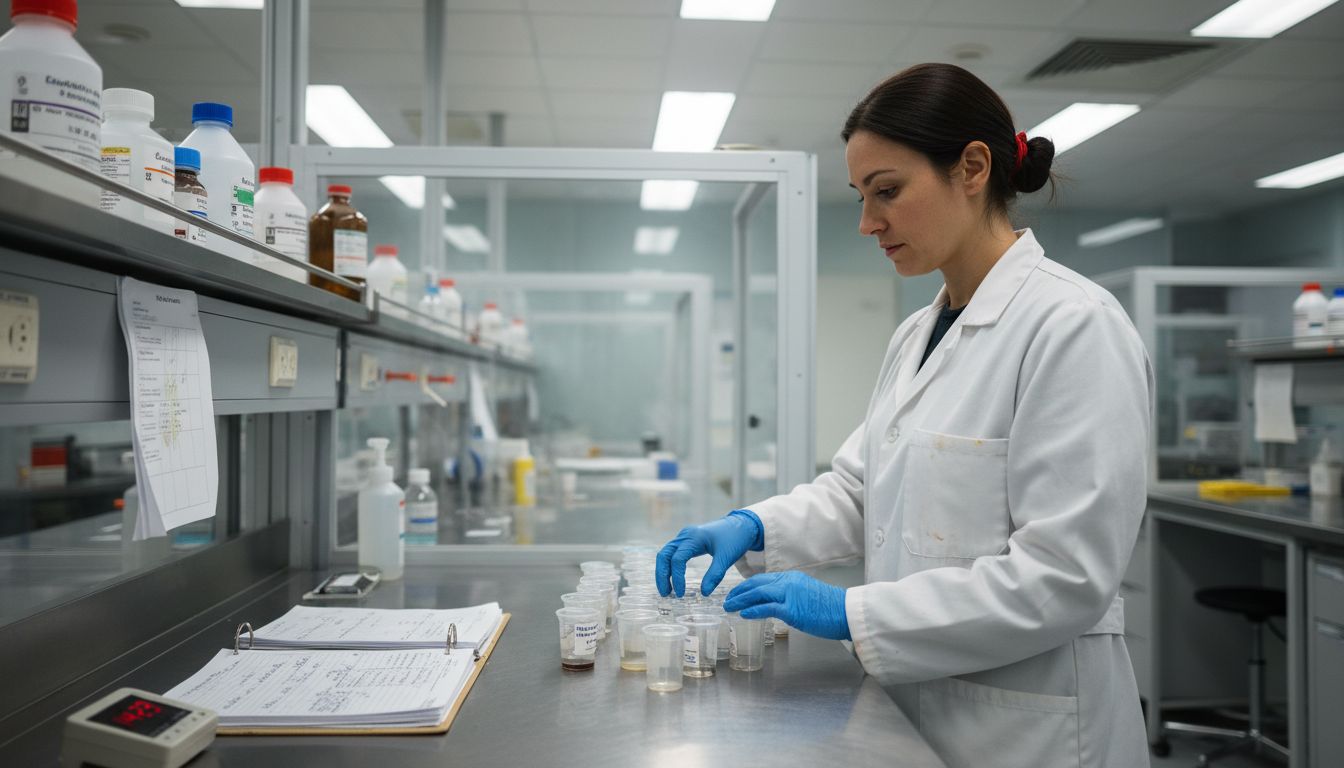
Over eighty percent of American employers now require some form of drug screening before hiring. With the stakes this high, understanding how lab-based drug testing works is essential for anyone facing workplace, legal, or clinical evaluations. By breaking down what makes laboratory testing so accurate and reliable, you will see how these procedures protect both individual rights and organizational standards in every American setting.
Table of Contents
- Defining Lab-Based Drug Testing Procedures
- Types of Lab-Based Drug Tests Explained
- How Laboratory Drug Testing Works
- Accuracy, Detection Windows, and Legal Standards
- Choosing Lab-Based Vs. Instant Testing Options
Key Takeaways
| Point | Details |
|---|---|
| Laboratory Testing Procedures | Lab-based drug testing involves meticulous sample collection and analysis to ensure accuracy and reliability in detecting controlled substances. |
| Types of Testing | Common methods include urine screening, blood analysis, hair follicle testing, and oral fluid examination, each offering distinct advantages based on detection windows and substance types. |
| Confirmatory Testing | Advanced techniques like Gas Chromatography-Mass Spectrometry and Liquid Chromatography-Mass Spectrometry provide high precision and are essential for legal and medical validation of results. |
| Choosing Testing Methodologies | Clinical professionals must weigh the benefits of rapid instant testing against the comprehensive accuracy of lab-based testing to suit specific diagnostic needs and contexts. |
Defining Lab-Based Drug Testing Procedures
Laboratory drug testing represents a sophisticated scientific process designed to detect the presence of controlled substances with precision and reliability. Drug testing protocols involve multiple systematic steps that ensure accurate identification and documentation of potential drug use. These procedures go far beyond simple screening, incorporating complex analytical techniques that provide comprehensive insights into an individual’s substance exposure.
The initial phase of lab-based drug testing begins with sample collection, a critical step that demands strict adherence to professional standards. Certified technicians collect biological specimens like urine, blood, or hair while maintaining a rigorous chain of custody. Each sample receives a unique identifier and is sealed with a tamper-evident mechanism to preserve its integrity. This meticulous approach guarantees that the evidence remains uncompromised throughout the testing process.
Following collection, the sample undergoes comprehensive screening using advanced immunoassay technologies. These initial tests rapidly identify potential drug classes, providing quick preliminary results. Positive screenings then progress to confirmation through highly precise techniques such as Gas Chromatography-Mass Spectrometry (GC-MS) or Liquid Chromatography-Mass Spectrometry (LC-MS). These sophisticated methods can distinguish between specific molecular structures, offering unparalleled accuracy in substance identification. Confirmatory testing practices ensure that results are scientifically validated and legally defensible.
Types of Lab-Based Drug Tests Explained
Modern laboratory drug testing encompasses a diverse range of sophisticated screening methods designed to detect various controlled substances with exceptional precision. Drug testing methodologies offer clinics multiple options for identifying potential substance use across different biological sample types. These comprehensive testing approaches enable healthcare professionals to obtain detailed insights into an individual’s potential drug exposure.
The primary types of lab-based drug tests include urine screening, blood analysis, hair follicle testing, and oral fluid examination. Urine tests remain the most common method, capable of detecting a wide range of substances with relatively high accuracy. Blood tests provide the most immediate and precise measurement of current drug presence, while hair follicle tests offer an extended detection window spanning several months. Oral fluid tests represent a less invasive option that can identify recent drug use with significant reliability.
Laboratories typically screen for a comprehensive panel of substances, including amphetamines, cocaine, marijuana, opioids, and PCP. Advanced testing protocols allow for detection of specific compounds like morphine, codeine, hydrocodone, and oxycodone. The selection of testing method depends on multiple factors, including the specific substances of concern, required detection window, and the particular needs of the clinical setting. Each testing approach offers unique advantages, allowing healthcare providers to choose the most appropriate method for their specific diagnostic requirements.
How Laboratory Drug Testing Works
Laboratory drug testing is a meticulously structured scientific process that ensures accurate detection and identification of controlled substances. Custom drug panel designs enable clinics to create targeted screening approaches that meet specific diagnostic requirements. The entire procedure is engineered to maximize precision, reliability, and comprehensive substance identification through a systematic multi-stage approach.
The testing workflow begins with sample collection, a critical phase that demands rigorous professional protocols. Certified technicians carefully obtain biological specimens while maintaining a documented chain of custody to preserve sample integrity. Initial screening employs immunoassay technologies, which rapidly detect potential drug classes through quick and sensitive molecular interactions. These preliminary tests provide rapid insights, flagging samples that require more comprehensive analysis.
Confirmatory testing represents the most sophisticated stage of laboratory drug screening. When initial screenings indicate potential substance presence, advanced technologies like Gas Chromatography-Mass Spectrometry (GC-MS) and Liquid Chromatography-Mass Spectrometry (LC-MS) are deployed. These high-precision analytical methods can distinguish between molecular structures with exceptional accuracy, effectively reducing false-positive results. The quantitative data generated during confirmatory testing allows healthcare providers to make informed decisions about potential substance use, treatment strategies, and patient care.
Accuracy, Detection Windows, and Legal Standards
Laboratory drug testing involves complex mechanisms for ensuring precise and legally defensible results. Cocaine test accuracy represents a critical benchmark in understanding the scientific rigor behind substance screening processes. The testing methodology must balance scientific precision with legal requirements, creating a comprehensive approach that protects both institutional and individual rights.
Detection windows vary significantly across different biological samples and substances. Urine tests typically provide a detection range of 2-7 days for most drugs, while hair follicle testing can reveal substance use patterns spanning up to 90 days. Blood and oral fluid tests offer shorter but more immediate windows of detection, typically capturing recent drug exposure within 24-48 hours. These variations make selecting the appropriate testing method crucial for accurate substance screening.
Legal standards mandate stringent protocols to maintain the integrity of drug testing procedures. Laboratories must implement a documented chain of custody, ensuring that samples are collected, transported, and analyzed following strict forensic guidelines. Confirmatory testing using advanced technologies like Gas Chromatography-Mass Spectrometry provides the scientific validation necessary for legal and medical decision making. These comprehensive standards protect against potential false positives and ensure that test results can withstand potential legal scrutiny in workplace, medical, and judicial contexts.
Choosing Lab-Based vs. Instant Testing Options
Clinical professionals face critical decisions when selecting drug testing methodologies, with each approach offering distinct advantages and limitations. Oral swab vs urine tests represent prime examples of the nuanced choices healthcare providers must navigate. The fundamental distinction between lab-based and instant testing lies in their accuracy, complexity, and operational requirements.
Instant testing options provide rapid results, typically within minutes, making them attractive for immediate screening scenarios. These point-of-care tests can be conducted on-site, offering convenience and quick initial insights. However, they inherently carry higher risks of false positives or negatives compared to comprehensive laboratory analyses. Instant tests are most suitable for preliminary screenings where immediate action or triage is necessary, such as workplace random checks or initial medical assessments.
Laboratory-based testing represents the gold standard for substance screening, providing unparalleled scientific precision and legal defensibility. Advanced techniques like Gas Chromatography-Mass Spectrometry enable detailed molecular analysis, significantly reducing the probability of inconclusive or erroneous results. While lab-based testing requires longer processing times and more complex logistical management, the depth of scientific validation makes it crucial for high-stakes environments like legal proceedings, comprehensive medical evaluations, and rigorous workplace compliance programs.
Equip Your Clinic with Reliable Drug Testing Supplies for Lab-Based Screening
Navigating the complexities of lab-based drug testing requires precise tools that uphold the highest standards for accuracy and legal compliance. This guide highlights crucial concepts like specimen integrity, confirmatory testing with GC-MS or LC-MS, and the importance of choosing the right sample type. If your clinic aims to reduce false positives and ensure scientifically validated results, having dependable drug testing supplies is essential.
Explore our comprehensive selection at 12 Panel Now, a trusted source specializing in quality drug testing supplies designed for healthcare professionals and laboratories. Learn more about various testing options in our Complete Drug Test Knowledge Base – 12 Panel Now and get answers to common concerns at Drug Testing FAQs: Unravel the Mysteries about Drug Testing. Don’t compromise on accuracy or reliability when screening for substances—equip your clinic today and ensure your testing procedures meet the highest standards.
Frequently Asked Questions
What are the primary types of lab-based drug tests?
Lab-based drug tests typically include urine screening, blood analysis, hair follicle testing, and oral fluid examination. Each method has its own advantages and detection capabilities.
How do laboratory drug tests ensure accuracy?
Laboratory drug tests utilize advanced screening methods like Gas Chromatography-Mass Spectrometry (GC-MS) for confirmatory testing, which provides precise identification of substances, minimizing false-positive results and ensuring legal defensibility.
How long can drugs be detected in different types of samples?
Detection windows vary: urine tests can detect most drugs for 2-7 days, hair follicle tests can reveal substance use for up to 90 days, and blood or oral fluid tests typically detect recent drug use within 24-48 hours.
What procedures are followed during the sample collection process?
Sample collection follows strict protocols, including obtaining biological specimens by certified technicians while maintaining a documented chain of custody to ensure the integrity and reliability of the samples.
Recommended
- CLIA-Waived Drug Tests for Long-Term Care – 12 Panel Now
- Structure of a Drug Test Kit Guide – 12 Panel Now
- Achieve Compliance for Drug Testing in Your Facility
- Drug Test Panel Selection Guide for Clinics – 12 panel now
- What is a Test Bench? Essential Guide for Diesel Injection Pros 2025
- Staff Health Screening Guide for Restaurants and Schools 2025 – Probe IT